April 16, 2026
Mold problems rarely begin in plain sight. In many homes, growth starts quietly in damp, enclosed, or poorly ventilated areas and spreads before property owners realize there is an issue. What may begin as a small patch behind a wall, beneath flooring, or around a plumbing fixture can develop into a much larger concern when moisture stays trapped for too long. Because mold thrives in dark, humid, and water-damaged conditions, some parts of a home are much more vulnerable than others.
Knowing where mold is most likely to develop can help homeowners respond sooner and reduce the chance of lasting damage. Certain rooms and structural features naturally deal with more moisture, whether from plumbing, steam, rain intrusion, or condensation. When those conditions are combined with organic materials such as drywall, wood, insulation, or carpeting, mold has an ideal place to grow. A closer look at the most affected areas can help explain why early detection and working with professionals for local mold remediations matter so much for protecting a home.
1. Examining Bathrooms And Shower Areas
Bathrooms are among the most common places for mold growth because they are exposed to daily moisture, heavy humidity, and frequent temperature changes. Steam from showers and baths can settle on ceilings, walls, grout, caulking, and fixtures, especially when ventilation is weak or inconsistent. Even a bathroom that looks clean on the surface may have hidden moisture behind tiles, beneath flooring, or inside wall cavities near plumbing lines. Over time, that trapped dampness can create conditions that allow mold colonies to form and spread.
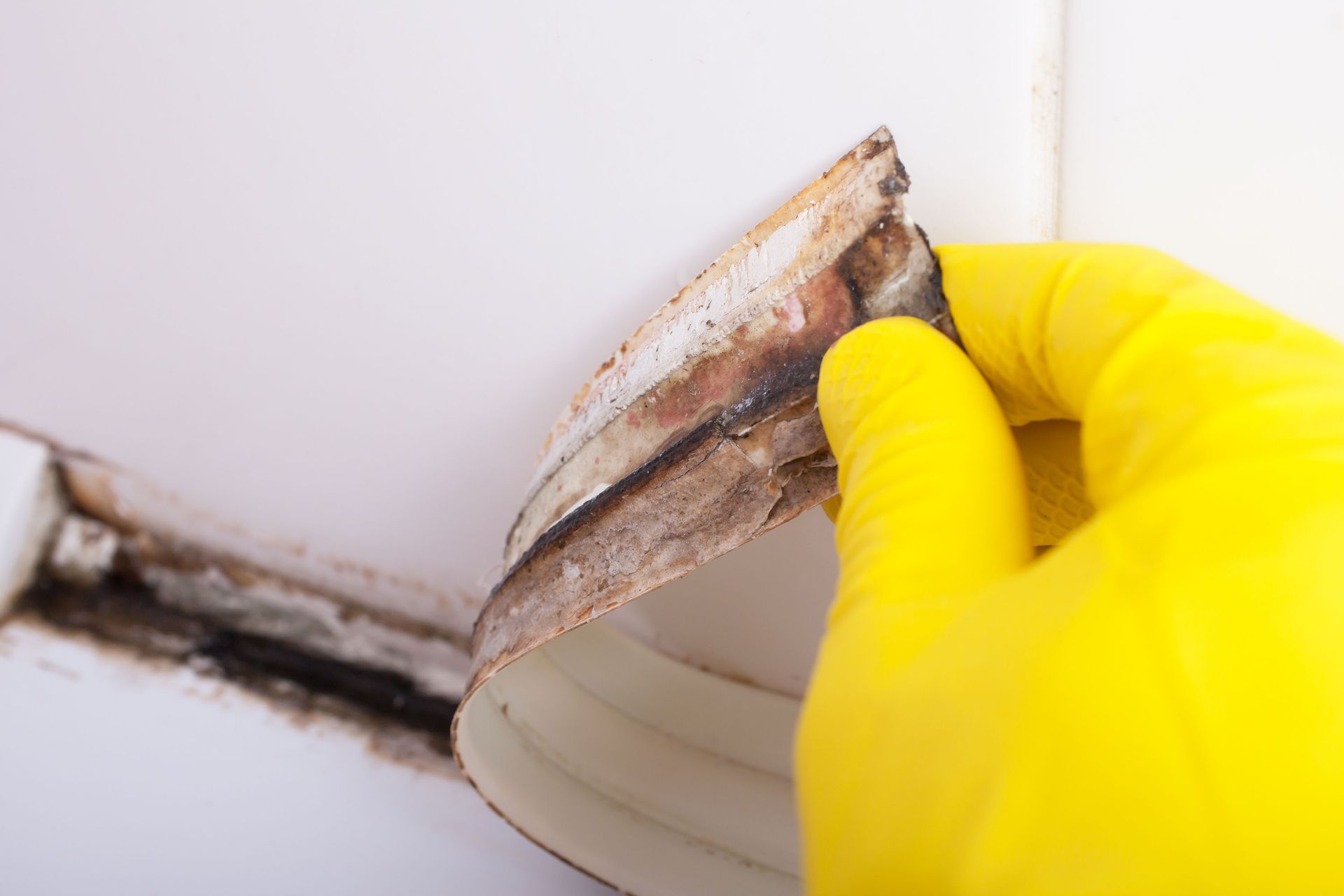
Small maintenance issues can also make bathroom mold more difficult to control. Cracked grout, worn caulk, slow plumbing leaks, and loose toilet seals may let water seep into building materials without drawing much attention at first. Once drywall, subflooring, or baseboards absorb repeated moisture, mold can begin to grow out of sight. This is one reason homeowners often turn to different local mold remediations after noticing musty smells, staining, or recurring mildew that keeps coming back despite regular cleaning.
2. Inspecting Kitchens And Sink Cabinets
Kitchens deal with multiple sources of moisture every day, from cooking steam and appliance use to sink splashes and plumbing connections. Areas beneath sinks are especially vulnerable because supply lines, drainpipes, garbage disposals, and dishwasher hoses can all develop slow leaks. Since these spaces are enclosed and not checked constantly, moisture can linger long enough to damage cabinet interiors, surrounding drywall, and nearby flooring. That makes the kitchen one of the easiest places for mold to gain a foothold without being noticed right away.
Refrigerators with water lines, ice makers, and dishwashers can add to the risk when connections loosen or condensation develops. Water may drip behind appliances or pool underneath them, where poor airflow allows dampness to remain for extended periods. Food debris and organic dust can also support mold growth once moisture is present. In many cases, homeowners do not discover a kitchen mold problem until cabinet materials warp, odors deepen, or staining appears along the base of walls and under counters, leading to the need for local mold remediations.
3. Checking Basements And Crawl Spaces
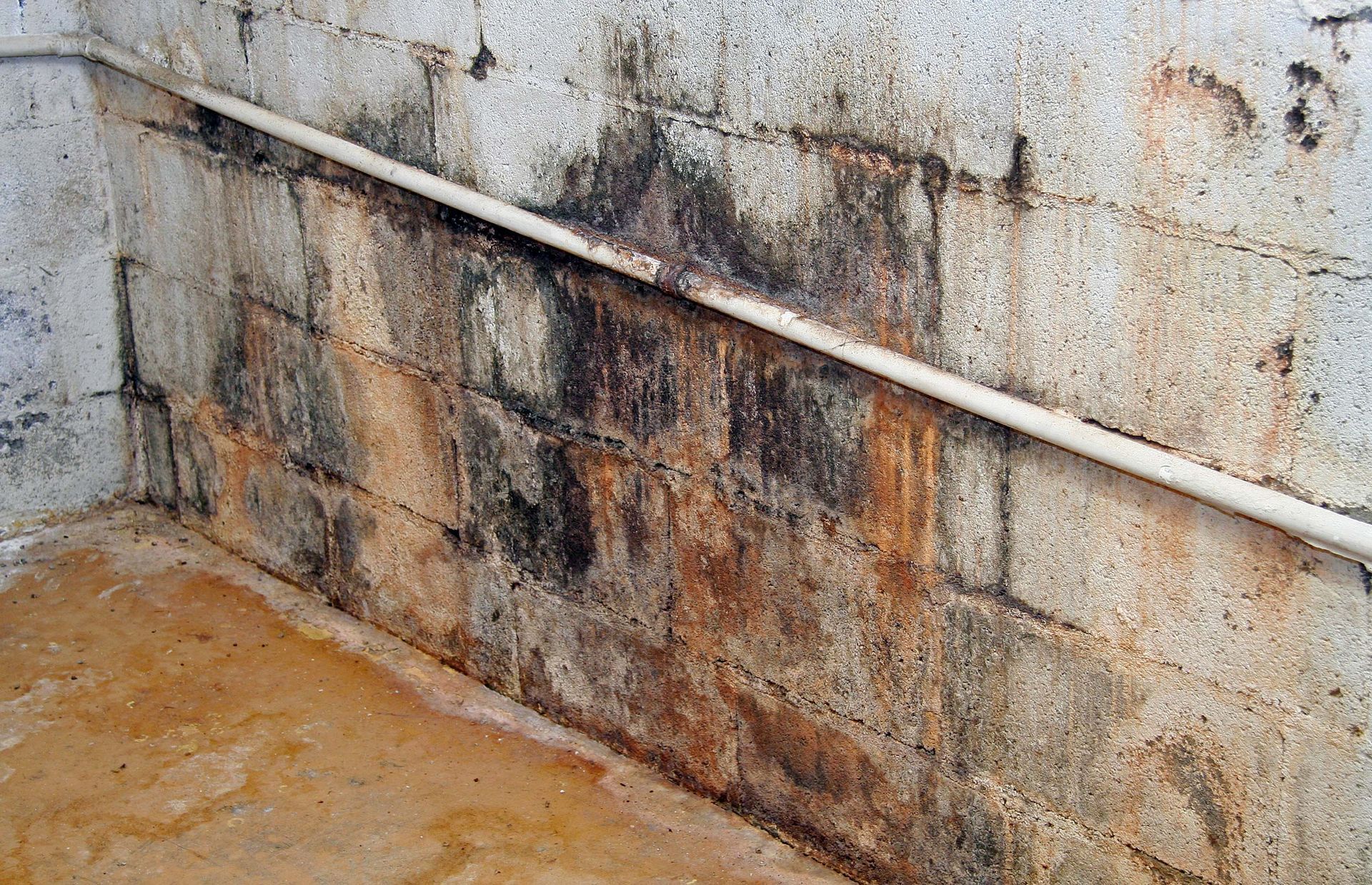
Basements and crawl spaces are highly susceptible to mold because they sit close to the ground and often hold more humidity than upper levels of a home. These spaces can take on moisture through foundation cracks, poor drainage, plumbing leaks, or high groundwater levels after storms. Even minor dampness can become a problem when it lingers on concrete walls, wooden framing, insulation, cardboard storage boxes, or floor joists. Since these areas are dark and less frequently used, mold can continue spreading for a long time before it is discovered.
Another challenge is that basements and crawl spaces may trap humid air with very little ventilation. If a sump pump fails, a pipe bursts, or water enters after heavy rain, the space can stay wet longer than many homeowners realize. According to Home Gnome, mold may begin to develop within 24 to 48 hours following water damage. That short window is one reason these lower areas often become major problem spots and why local mold remediations are often needed after flooding, seepage, or prolonged damp conditions below the main living space.
4. Reviewing Attics And Roof Structures
Attics may seem too dry to support mold, but they are often affected by roof leaks, poor ventilation, and insulation-related condensation. When warm indoor air rises and meets a cooler roof deck, moisture can collect on wood sheathing, rafters, and insulation. This problem becomes worse when soffit vents are blocked or airflow is otherwise restricted. A small roof leak can also go unnoticed for months while water seeps into structural materials and creates an ideal setting for mold growth overhead.
Mold in the attic can be especially concerning because it may damage framing, reduce insulation performance, and contribute to odors that move into the living areas below. Homeowners sometimes discover attic mold only after seeing water stains on ceilings or noticing that seasonal humidity problems have become worse. Because the source may involve roofing, venting, insulation, or all three, a full assessment is usually needed to address both the mold and the moisture that caused it. In these cases, local mold remediations can play an important part in stopping further spread and protecting the structure of the home.
5. Assessing Laundry Rooms And Utility Areas
Laundry rooms and utility spaces may not get much attention, but they are frequent trouble spots for mold because they combine water lines, drains, appliances, and heat. Washing machine hoses can crack or loosen over time, utility sinks may drip, and drain connections can back up unexpectedly. At the same time, dryers can raise humidity if venting is damaged or blocked. These factors create an environment where moisture can collect behind machines, along walls, and under flooring with little day-to-day visibility.
Water heaters and HVAC equipment in utility areas can contribute to mold problems as well. Condensation from air conditioning systems, leaks from drain pans, or corrosion near older units may keep materials damp long enough for mold to develop. Since many utility rooms have unfinished surfaces or limited airflow, moisture can sit in place without drying properly. When homeowners begin noticing odors, warped trim, or discoloration around appliances, it is often a sign that local mold remediation may be needed to deal with both the visible issue and the hidden moisture behind it.
6. Monitoring Windows, Walls, and Hidden Cavities
Some of the most serious mold issues develop inside walls and around windows because these locations can trap moisture where it is hard to see. Condensation on windows may drip into sills, trim, and drywall, particularly in older homes or rooms with poor airflow. Exterior leaks around flashing, siding, or window frames can also allow rainwater to enter the wall system. Once moisture gets behind painted surfaces, mold may spread through insulation, studs, and drywall paper while the visible signs remain minor at first.
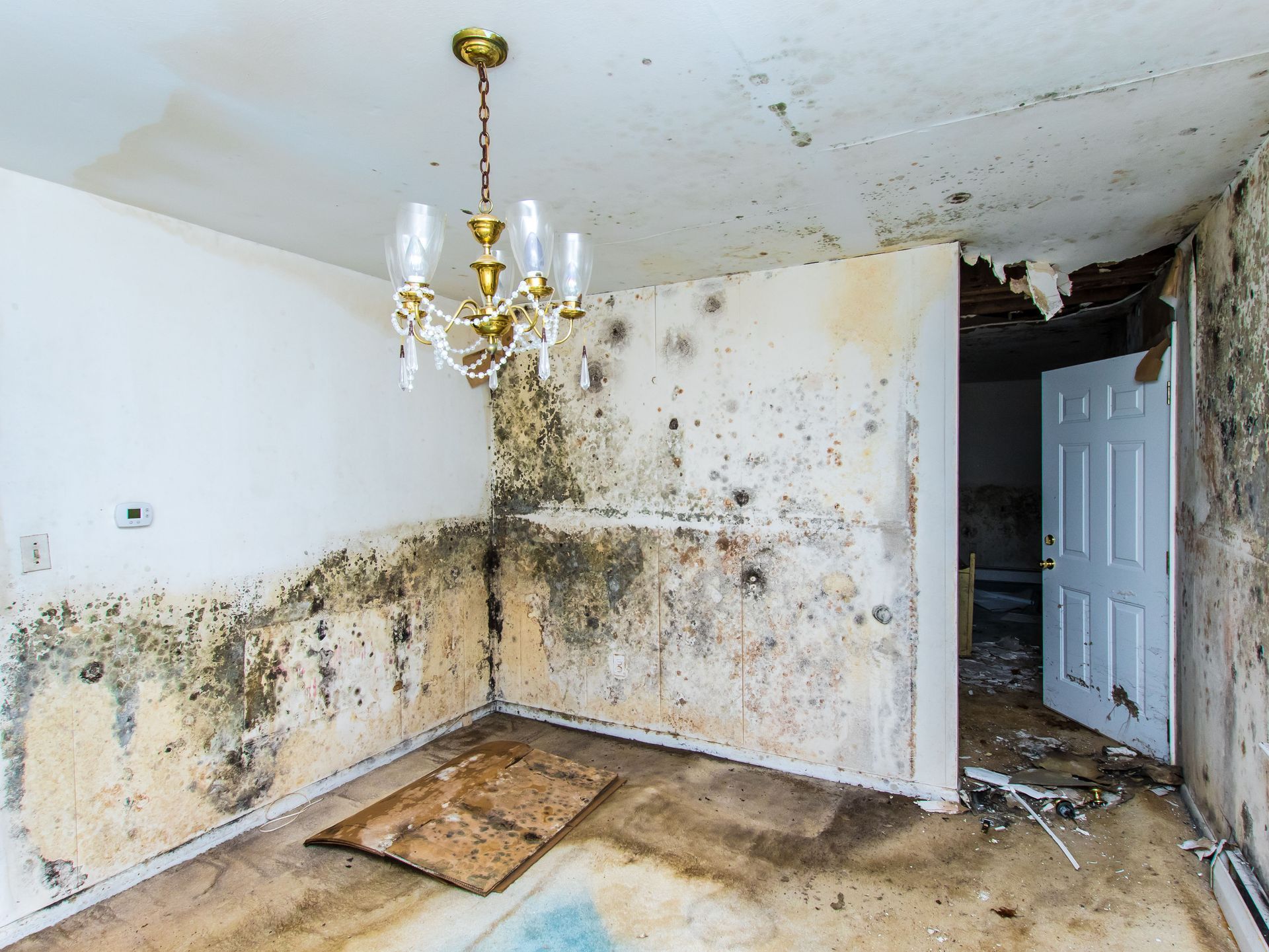
Hidden cavities become even more vulnerable after plumbing leaks or interior water damage. A burst pipe, overflowing fixture, or roof intrusion can soak wall materials quickly, and if drying is incomplete, mold may continue developing behind the surface long after the original event seems resolved. Homeowners may first notice peeling paint, bubbling drywall, staining, or a lingering musty smell that does not go away. Because these problems often involve concealed growth, local mold remediations are often needed to locate the full extent of the issue, remove affected materials when necessary, and help restore healthier indoor conditions.
Mold tends to affect the parts of a home where moisture lingers the longest, whether that means bathrooms, kitchens, basements, attics, utility rooms, or hidden wall spaces. Paying attention to leaks, humidity, ventilation, and early warning signs can make a major difference in limiting damage and avoiding more extensive repairs later. When mold is suspected, a prompt professional response, including local mold remediations, can help identify the source and address the problem more completely. If you have concerns about mold in your home, contact Mold Detection & Remediation Specialists, Inc today.