February 20, 2026
Are you wondering about the various factors that contribute to the growth of mold in residential and commercial environments? Understanding these causes can help in preventing and managing mold proliferation effectively, so you won't need to invest in local mold remediation so often. Mold is not just an unsightly nuisance; it poses significant health risks and can cause structural damage to properties. By addressing the factors that lead to mold growth, individuals can protect their living spaces and ensure healthier environments. Here are five common causes of mold growth that could lead to needing local mold remediation.
1. Leaky Roofs and Windows
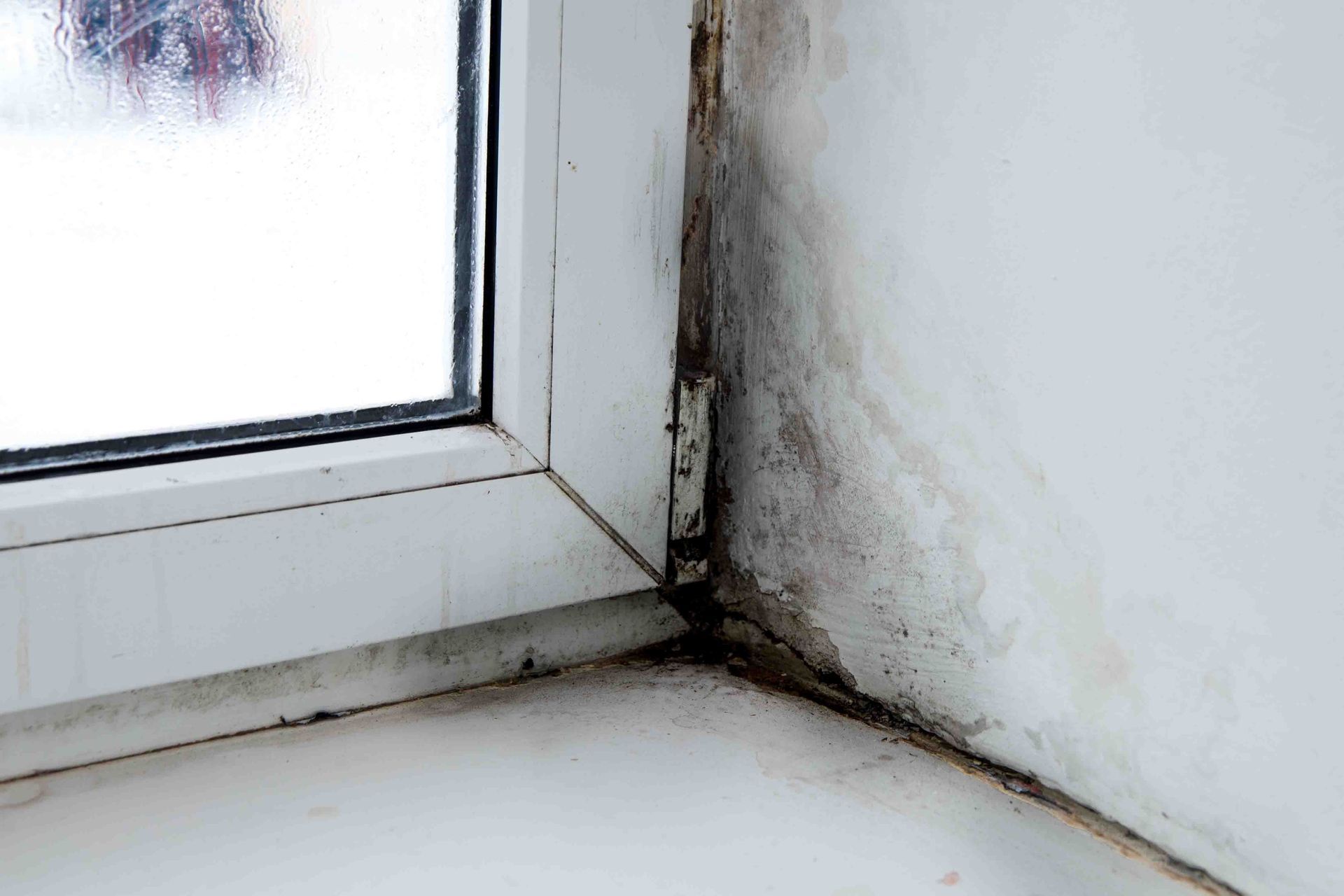
One of the primary causes of mold growth is excessive moisture, often stemming from leaky roofs and windows. Even minor leaks can introduce a significant amount of water over time, providing a perfect environment for mold. When water penetrates through cracks or gaps, it can infiltrate walls and ceilings, soaking into materials that retain moisture. Over time, these damp areas become breeding grounds for mold spores, which spread rapidly in the presence of moisture and organic material. Regular inspections and timely repairs are crucial to prevent leaks and thereby curb potential mold growth requiring local mold remediation.
Mold typically thrives in environments where moisture is abundant, and even overlooked leaks can lead to significant problems. Checking the condition of roofs and windows on a regular basis helps in identifying potential vulnerabilities before they escalate. Once mold establishes due to moisture infiltration, it often goes unnoticed until extensive damage occurs. A proactive approach, involving sealing, caulking, and replacing damaged parts, can halt the development of mold colonies. Adopting such preventive measures not only aids in mold remediation and prevention but also improves the structural integrity of a building.
Addressing leaks and preventing moisture accumulation is essential in maintaining a healthy and safe environment. By focusing on roofing and window maintenance, homeowners can directly impact mold prevalence. Furthermore, the use of waterproof sealants and drainage systems can enhance protection against moisture ingress. The aim is to ensure that water does not access areas where it can become trapped, thus denying mold the opportunity to form. Ultimately, vigilance and early action are the keys to managing mold risks associated with leaky infrastructure.
2. Plumbing Issues
Plumbing issues can be a hidden source of moisture that contributes significantly to mold growth. Leaks in pipes, whether visible or concealed, create moist conditions where mold can thrive. Moisture from plumbing leaks often accumulates in hidden areas, such as behind walls and under floors, making detection and resolution complicated. Mold spores are omnipresent and just require a moist environment to start growing, which these leaks readily provide. To mitigate this, regular inspection and maintenance of plumbing systems are vital to prevent the development of mold.
Small drips and leaks might seem negligible, but they can lead to long-term mold problems if left unaddressed, ultimately requiring professional local mold remediation. Consistent inspections can help in identifying leaks before they cause severe damage or extensive mold infestations. Proactive maintenance, including replacing old or faulty pipes and using moisture barriers, can safeguard a home from mold risks related to plumbing. The key is timely intervention, as delay can provide the opportunity for mold to spread and cause significant damage. With thorough oversight, plumbing issues can be managed effectively, thereby curbing mold growth.
The impact of mold derived from plumbing issues extends beyond aesthetics, potentially affecting indoor air quality and health. Mold-related allergens can contribute to respiratory problems, emphasizing the need for stringent moisture management. Promptly addressing plumbing leaks and optimizing water systems can create a less favorable environment for mold proliferation. Routine checks and quality materials in plumbing significantly reduce the susceptibility of homes to mold. Therefore, awareness and action regarding plumbing maintenance are crucial aspects of mold management.
3. Flooding Incidents
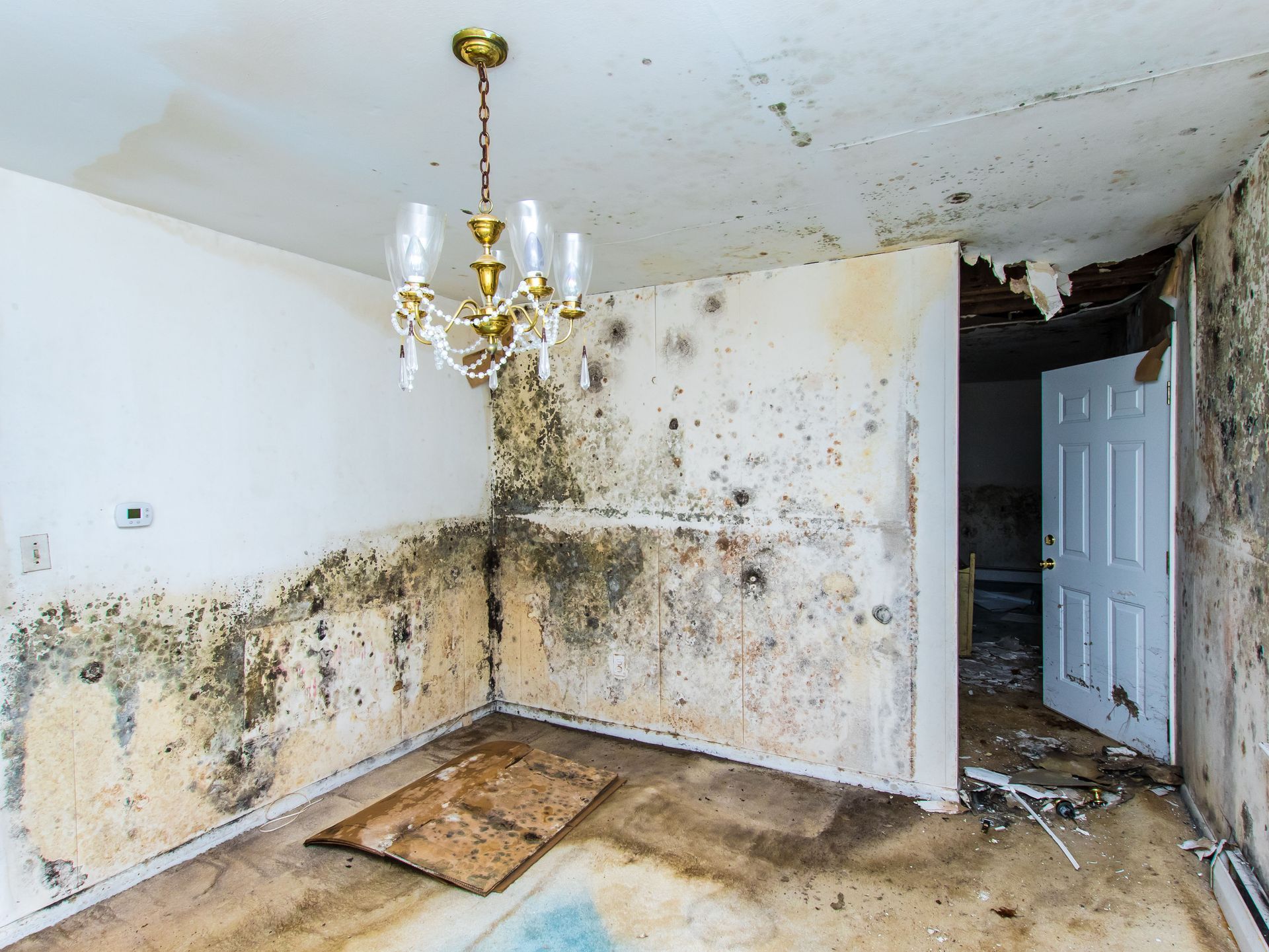
Flooding incidents often lead to severe needs for local mold remediation due to prolonged moisture presence. Water can seep into various structural elements, creating ideal conditions for extensive mold growth. Following a flooding event, it's crucial to thoroughly dry all affected areas within 24 to 48 hours, according to the CDC, to prevent mold. Swift action involving professional cleanup and dehumidifying ensures all moisture is eradicated. Effective flood management is critical in mitigating mold risks.
Significant water presence from flooding enhances mold infestation if not promptly addressed. Thorough examination and restoration procedures need to be employed for any affected structures. Collaboration with water damage specialists and the use of high-efficiency dehumidifiers are effective in moisture removal. Additionally, post-flood sanitation is necessary to inhibit mold progression. These steps combined contribute to minimizing the residual impact of flood-induced mold.
Post-flood recovery should prioritize not just structural restoration but also mold prevention strategies. Utilizing waterproof materials during repairs and reconstruction aids in future mold deterrence. Vigilant evaluation and appropriate technology application ensure residual water is handled efficiently. Taking these preventive actions transforms flood management into a mold mitigation process. An aggressive approach towards flood damage eliminates the sustenance required for mold to develop and spread harmfully.
4. Lack of Air Circulation
Lack of air circulation significantly contributes to potential mold growth by retaining moisture and creating stagnant environments. Poor air movement results in moisture traps where mold can grow undetected. Ensuring proper air rotation through open windows and electric fans disperses humidity, thwarting mold. Strategically placing portable fans or integrating central air systems enhances circulation efficacy. Constant vigilance over environmental conditions, coupled with proactive circulation strategies, supports effective mold management.
Enhancing air circulation in prone areas provides more even temperature distribution, reducing cold spots where moisture condenses. The balance achieved through adequate air turnover limits mold-spore establishment and growth. Environmental design to maximize cross-ventilation fosters superior air movement. Building layouts that incorporate both modern and traditional ventilation significantly lower mold-related risks. Beyond functionality, improved air circulation supports overall health by deterring mold allergens.
In spaces lacking circulation, increasing ventilation becomes a primary preventive strategy against mold. Integrating air systems that facilitate continuous movement limits stagnant conditions, favoring mold. Environmental control relying on natural airflow methods contributes to healthier settings. Regular airing combined with mechanical aids focuses on consistent moisture dispersion. Efforts are directed towards establishing circulation patterns that deny mold the opportunity to develop robustly.
5. Porous Surfaces
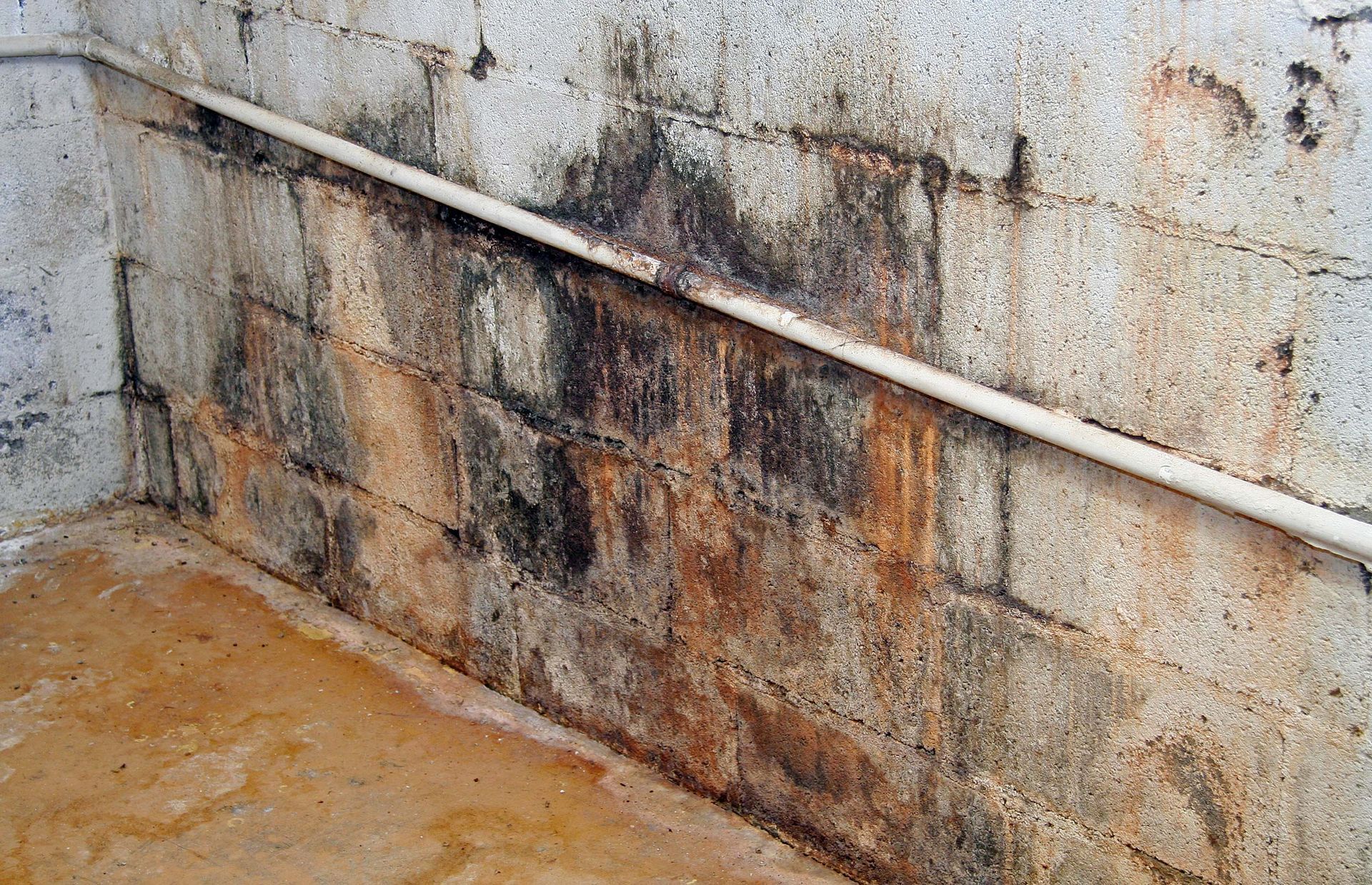
Porous surfaces present classical risks for mold proliferation due to moisture retention and organic content. These materials, including untreated wood, untreated brick, and concrete, absorb water, providing mold with a perfect habitat. Moisture trapped within these surfaces promotes mold spore development and colonization. Ensuring surfaces are sealed, painted, or treated minimizes their susceptibility to moisture intrusion and subsequent mold deterioration. Both material choice and treatment strategies impact mold management success in construction.
Surface composition dictates mold vulnerability, necessitating preventive coatings or layered treatments. Material selection emphasizing density often can override moisture retention susceptibility. Conscientious construction practices manage compound exposure through preparative sealing. Regular applications of protective coats and early detection of infiltration contribute to effective mold-barrier integrity. Utilizing non-porous alternatives warrants stronger deterrents in crafting moisture-inhibitive environments.
Architectural strategies reinforce surface defenses by developing technologies that limit porosity transformation. Surface coverage with water-resistant finishes restricts mold formation by reducing accessible moisture. Employing advanced leakage detection techniques ensures water exposure is promptly addressed. Evolution in building design persistently promotes comprehensive surface-level controls in overriding mold progression. Prioritizing seals and surface configuration promotes adequate mold-compatible habitats.
Mold growth is rarely caused by a single issue; instead, it develops when multiple conditions—such as moisture intrusion, poor ventilation, absorbent materials, and unresolved water damage—combine to create an ideal environment for spores to thrive. Recognizing how these factors interact empowers property owners to take practical preventive steps before mold becomes a costly or hazardous problem. Routine inspections, timely repairs, proper airflow, and thoughtful material choices all play meaningful roles in limiting mold risks and preserving structural integrity. By staying attentive to early warning signs and addressing vulnerabilities promptly, individuals can protect both their buildings and their indoor air quality. Contact Mold Detection & Remediation Specialists, Inc today for help with all your local mold remediation needs.