October 26, 2026
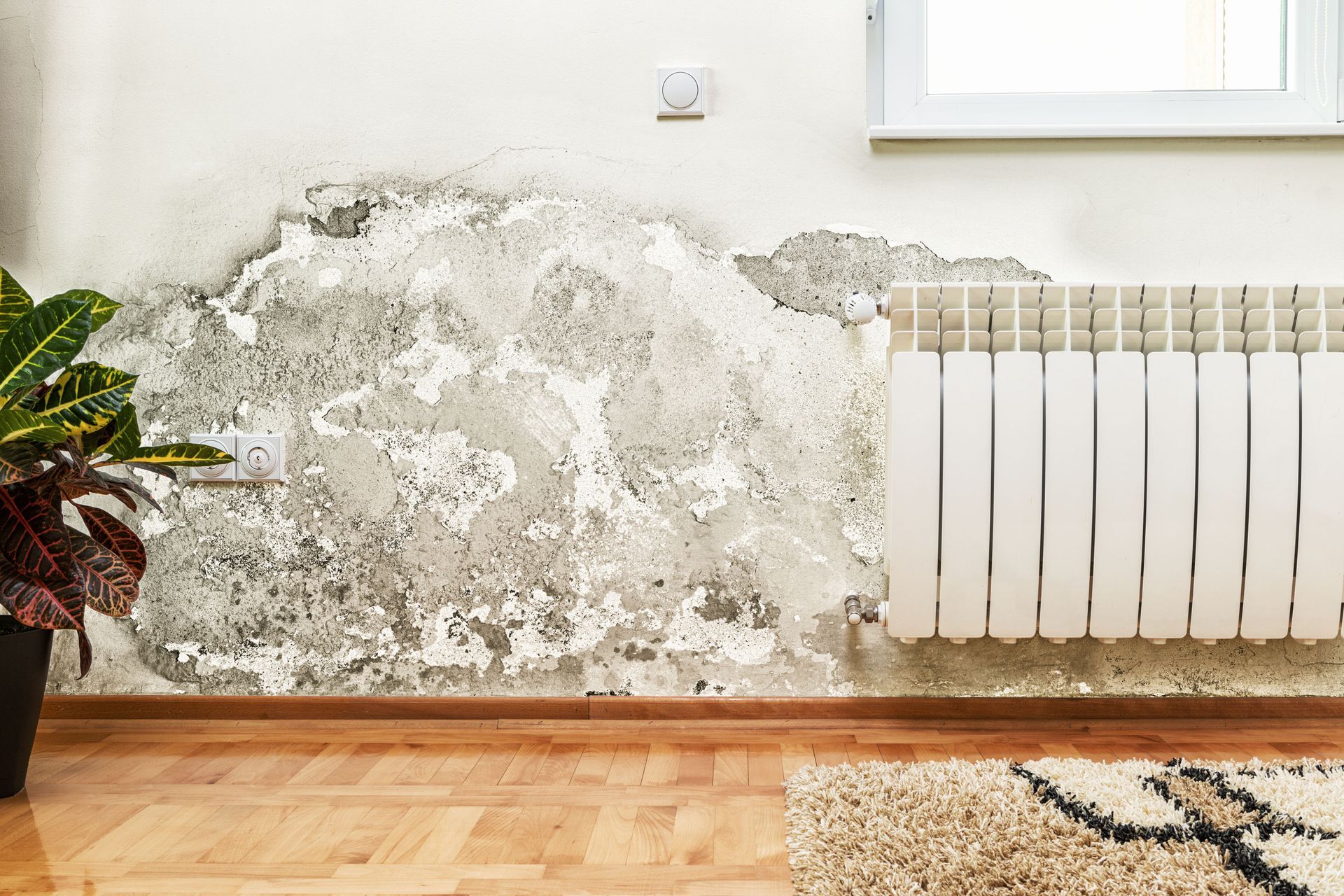
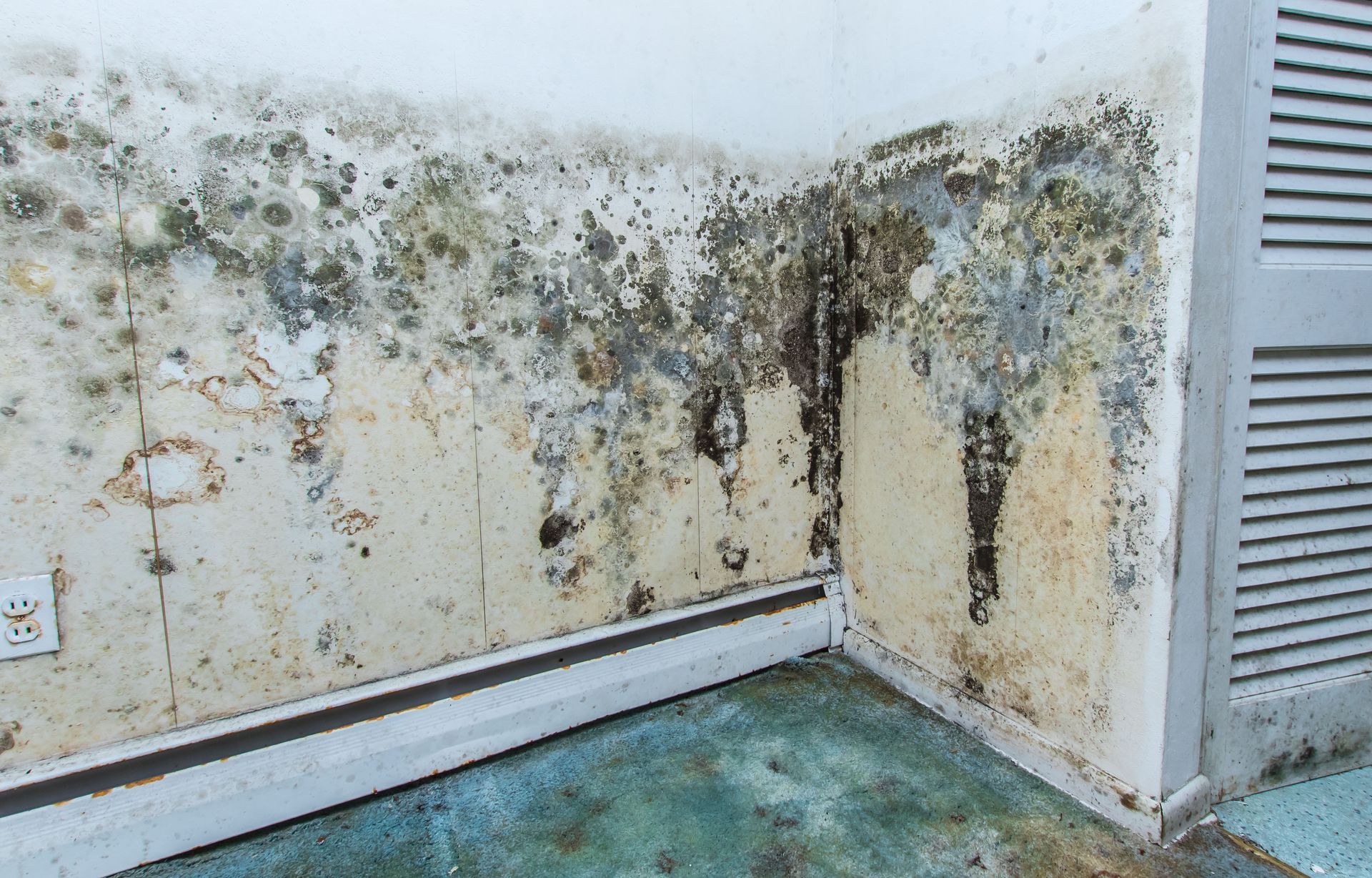
Discovering mold inside your living space feels unsettling, but knowing what happens during cleanup brings relief. Moisture issues can develop quietly behind baseboards, creating hidden fungal colonies over time. Addressing these damp areas promptly protects your living environment. When property owners arrange local mold remediations, professional technicians follow clear protocols to clear out contamination while locating the primary moisture source.
According to Home Gnome, mold spores can begin developing on damp surfaces within 24 to 48 hours of an indoor leak or flood, and because fungal colonies establish themselves so quickly, acting without delay prevents minor moisture from turning into an extensive problem.
Inspecting Property Conditions and Locating Moisture
Every successful cleanup begins with an attentive evaluation of the affected living spaces. Technicians walk through the property to assess visible fungal growth while checking surrounding rooms for signs of moisture intrusion. Using moisture meters and thermal imaging cameras, technicians locate damp pockets trapped inside drywall or under floorboards. Finding the origin of moisture is essential because cleaning patches without repairing the leak invites future outbreaks.
Technicians also evaluate airflow and take air samples when necessary to determine spore concentrations throughout the house. Gathering this initial data helps the team design a personalized treatment plan, giving you clarity regarding required work and expected completion time.
Testing Indoor Air and Evaluating Spore Levels
Air quality testing provides valuable insight into spore activity that remains invisible to the naked eye. Technicians collect ambient air samples from affected rooms along with baseline samples from outdoor air. Comparing indoor readings against outside air reveals the true scope of indoor contamination.
Laboratory evaluations reveal specific fungal varieties present inside your home. Knowing what types of colonies have formed allows technicians to choose appropriate cleaning agents and containment methods. Clear testing documentation also provides helpful records if your cleanup relates to an insurance claim.
Containing Contaminated Areas During Treatment
Setting Up Physical Barriers and Isolation Zones
Preventing fungal spread during cleanup is a top priority for any remediation crew. When crews manage local mold remediations, isolating contaminated rooms protects uncontaminated living areas from drifting dust. Technicians hang heavy plastic sheeting across doorways to keep microscopic particles confined within the workspace.
Sealing off the affected zone ensures that family members move about the rest of the house without worry. Isolation also creates a controlled environment where technicians can safely agitate surfaces and remove damaged building materials without sending spores through the central ventilation system.
Creating Negative Air Pressure to Stop Spores
Physical barriers work alongside negative pressure systems to deliver dependable isolation. Technicians set up negative air machines that continuously draw air out of the containment zone through flexible ductwork routed outdoors. This process creates lower atmospheric pressure inside the sealed room compared to adjacent hallways.
Because air flows toward lower pressure zones, clean air gently pulls into the containment area rather than allowing contaminated air to escape. Continuous negative air pressure keeps microscopic particles trapped inside the work zone until filtration equipment captures them completely.
Removing Contaminated Building Materials
Discarding Damaged Porous Building Items
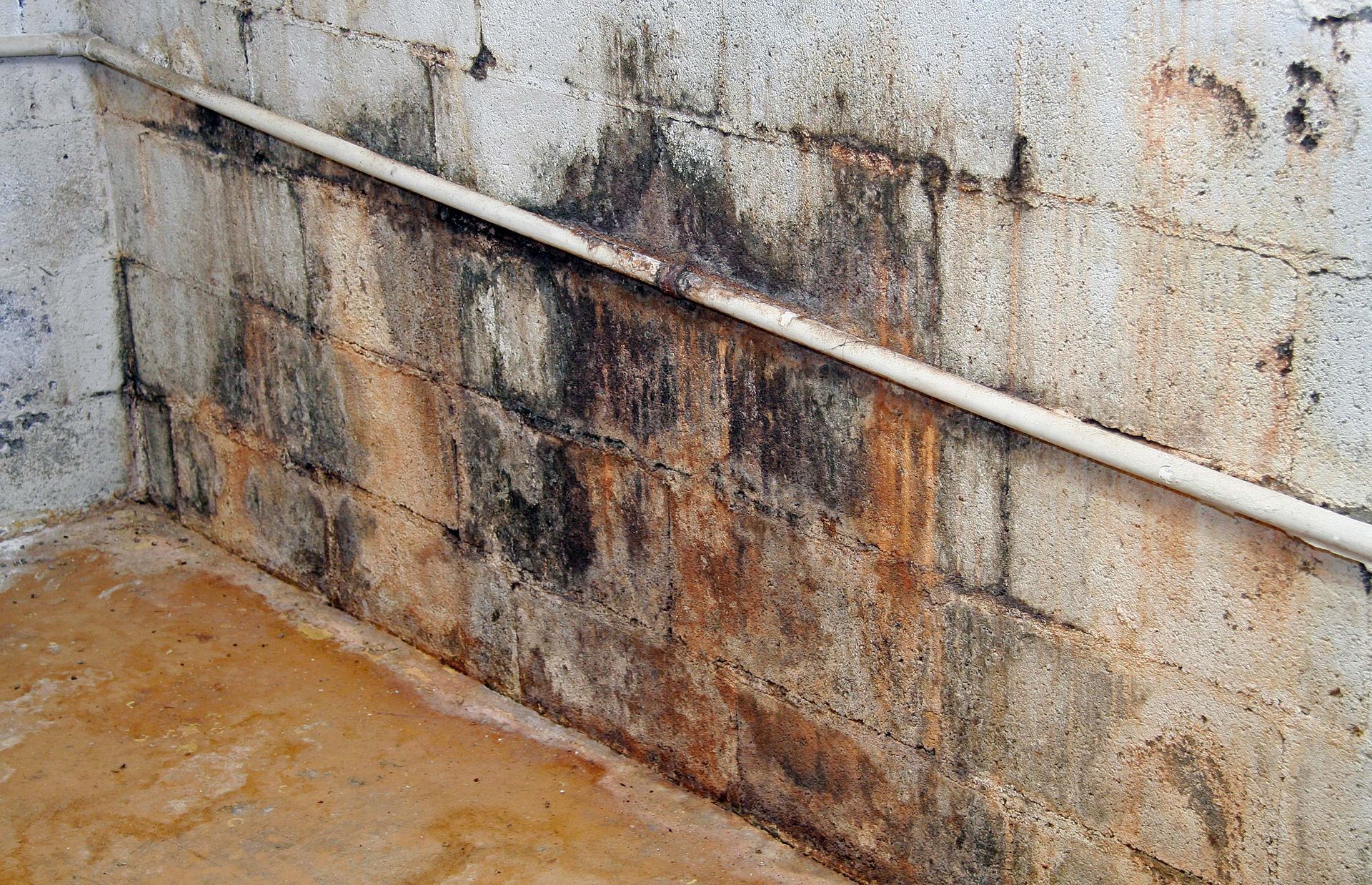
Certain household items cannot be cleaned effectively once fungal roots penetrate deep into internal layers. Porous materials like waterlogged drywall and carpet padding hold moisture, providing organic food for fungal growth. Attempting to scrub these materials leaves hidden roots behind, leading to repeat outbreaks later.
Crews carrying out local mold remediations carefully remove these ruined items down to the sturdy framework beneath. Technicians cut away damaged wallboard neatly, exposing studs for deep cleaning. Bagging ruined items securely inside the containment zone prevents debris from contaminating clean hallways during disposal.
Handling Disposal According to Safety Protocols
Removing ruined materials from your residence requires strict adherence to safe handling practices. Technicians place contaminated items into heavy disposal bags and seal each bag before carrying it out of the containment zone. This double bagging procedure prevents loose particles from shaking free as materials leave the property.
Disposing of damaged materials properly protects your family. Technicians also wipe down equipment before moving between rooms, ensuring every phase of disposal maintains complete household cleanliness.
Cleaning and Sanitizing Affected Surfaces
Treating Surfaces With Antimicrobial Solutions
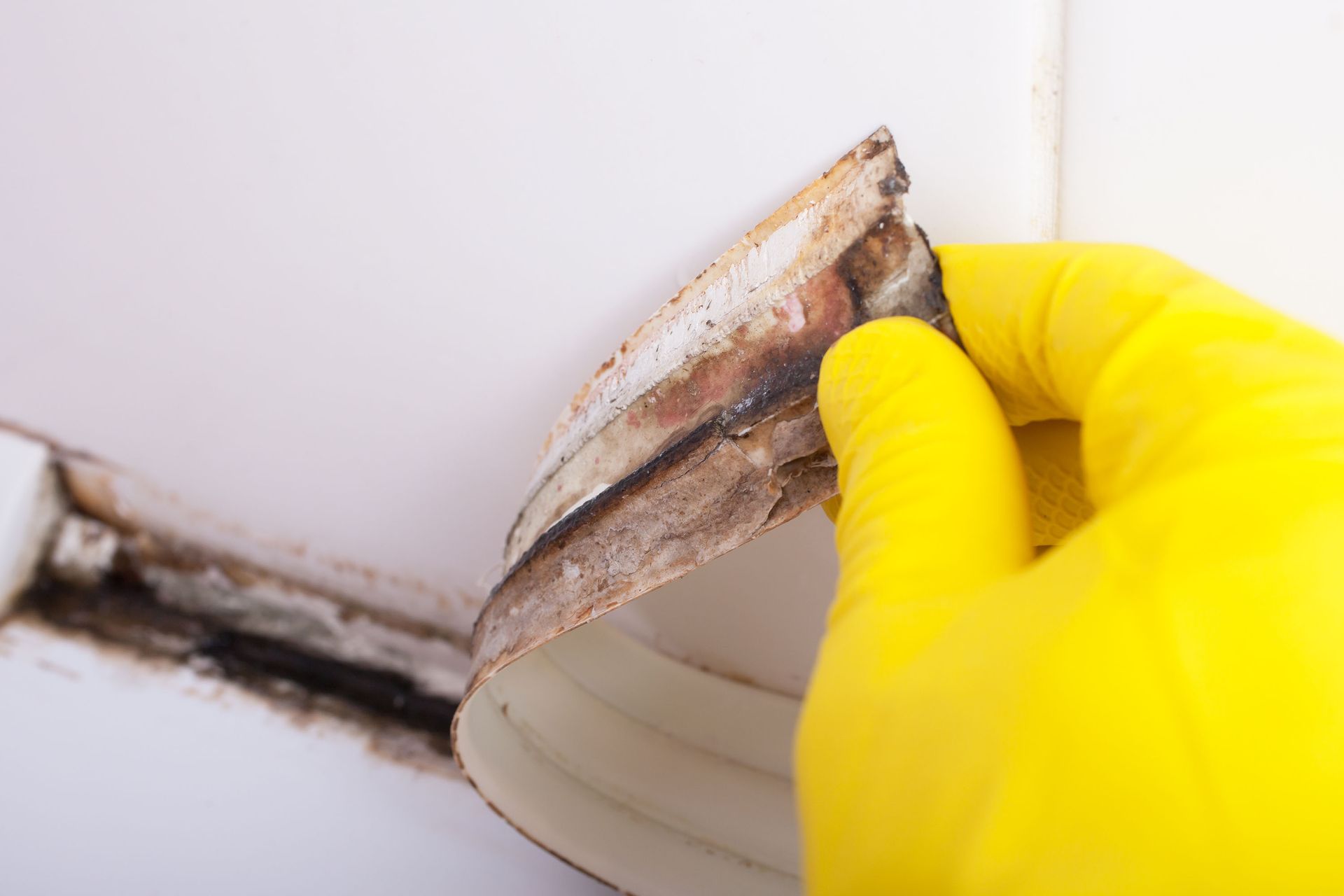
Once porous items are removed, technicians focus on cleaning the remaining structural framework. Wooden wall framing and concrete foundations receive detailed physical cleaning to remove surface residues. Technicians use antimicrobial washes formulated to neutralize fungal roots without damaging building wood.
Applying these EPA-registered solutions ensures that residual spores cannot survive on cleaned surfaces. Technicians scrub structural wood thoroughly so antimicrobial agents penetrate deep into grain crevices, providing the solid foundation needed before reconstruction begins.
Scrubbing Air With High-Efficiency Filtration
Airborne particles must be removed from the environment alongside surface contamination. While conducting local mold remediations, technicians run air scrubbers equipped with high-efficiency particulate air filters throughout the workspace. These filtration machines process room air continuously, pulling microscopic debris out of the atmosphere.
Running air scrubbers during and after physical cleaning ensures that agitated spores are removed from circulation. Technicians leave filtration equipment running until air clarity reaches optimal levels, leaving your indoor environment noticeably fresher.
Restoring Clean Living Spaces
Repairing Drywall and Structural Elements
After thorough cleaning and sanitization, the focus shifts toward putting your living space back together. Technicians verify that all structural lumber is completely dry before new building products are installed. Closing up damp wall cavities leads to recurring problems, making moisture verification vital.
Skilled tradespeople install fresh drywall and lay down new flooring to match surrounding rooms. Applying fresh primer and paint restores your home to its original appearance, erasing all traces of previous water damage. This restoration phase transforms your damaged room back into a welcoming family space.
Conducting Post-Treatment Air Quality Checks
A successful cleanup concludes with thorough verification to ensure all contamination has been eliminated. Technicians perform a final visual walkthrough, inspecting every cleaned surface for cleanliness and proper drying. Air quality tests are repeated to confirm that indoor spore levels have returned to normal baseline ranges.
Receiving passing clearance tests gives homeowners confidence in the safety of their living environment. Technicians provide detailed final reports documenting the completed work and clearance testing results for your personal records.
Preventing Future Moisture and Fungal Growth
Controlling Indoor Humidity and Airflow
Keeping your home free from future fungal growth requires ongoing moisture management. Running kitchen exhaust fans during cooking and using bathroom vents during showers removes excess humidity before it condenses on walls. Maintaining indoor humidity below comfortable thresholds stops spores from finding the damp conditions they require.
Promptly repairing plumbing drips and checking under sinks prevents moisture from gathering unnoticed. Property owners scheduling local mold remediations frequently receive practical maintenance tips from technicians to safeguard vulnerable areas against seasonal humidity changes.
Fungal contamination requires prompt attention from experienced professionals. Investing in professional local mold remediations protects your family's well-being while preserving the structural integrity of your valuable home. Experienced crews deliver thorough cleaning alongside reliable containment.
When you discover signs of moisture damage or suspect fungal growth in your home, rely on the dedicated team at Mold Detection & Remediation Specialists, Inc. Our skilled technicians provide honest evaluations and complete cleanup services designed to restore your home safely. Contact us today to schedule a thorough property assessment and take the first step toward a healthy living space.