September 22, 2026
Discovering growth on a drywall corner, a bathroom ceiling, or a basement baseboard can immediately cause concern for any homeowner. Mold is a natural element of our environment, but when it establishes itself inside a residence, it can compromise indoor air quality, damage structural components, and create potential health concerns for occupants. A primary source of confusion for property owners centers on identifying the exact type of growth taking place. While thousands of species exist, discussions around domestic fungi typically divide into two main categories: common household mold and toxic black mold. Understanding how to distinguish between these variants, recognizing their underlying causes, and knowing when to call professional mold remediation services is essential for keeping a house safe, clean, and structurally sound.
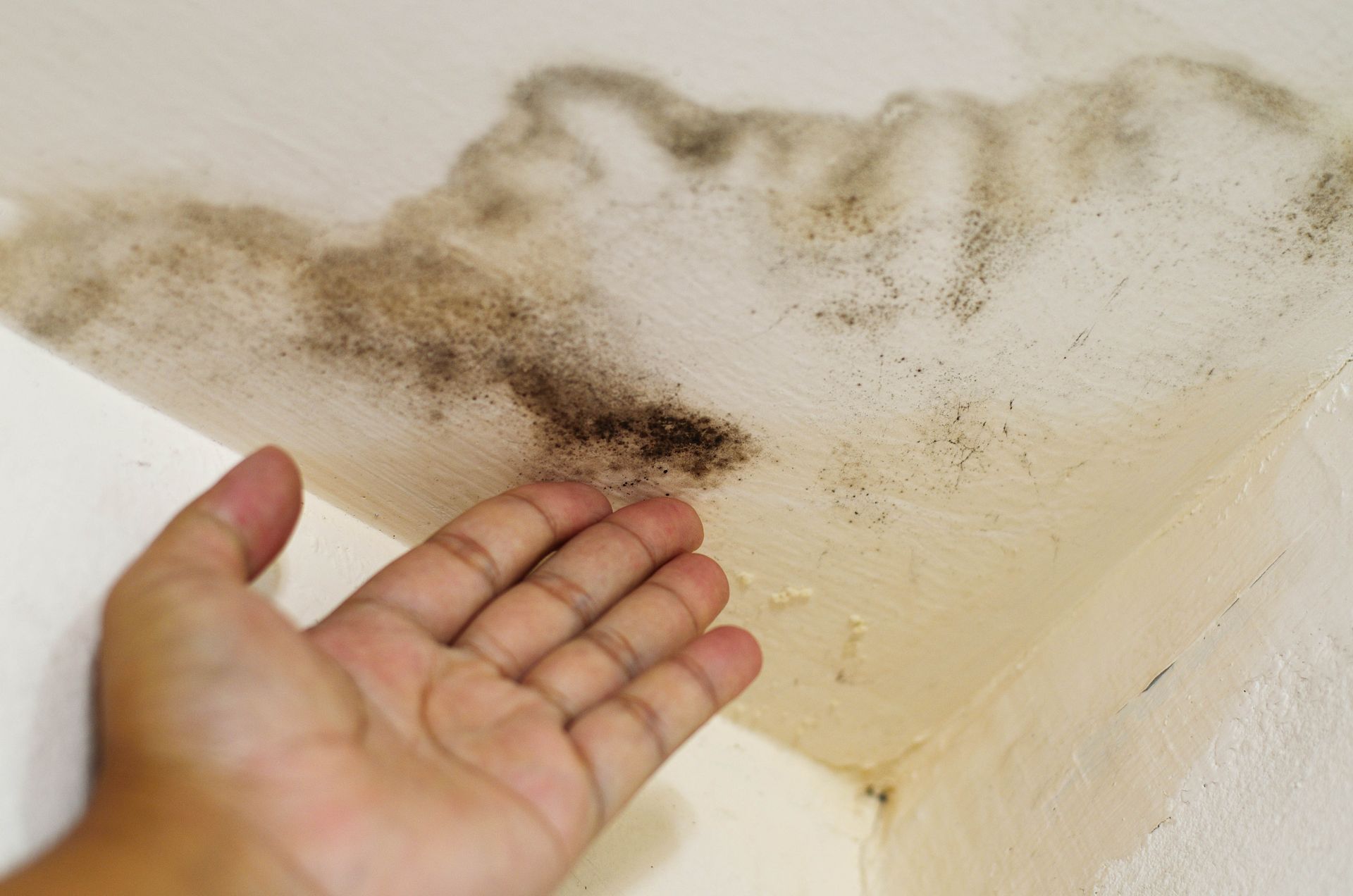
Common household mold refers to a broad variety of fungal species that frequently thrive indoors, including species like Cladosporium, Penicillium, and Aspergillus. These species are incredibly adaptable and can easily take root anywhere moisture, organic material, and oxygen are present. In many instances, common species appear as powdery, surface-level patches that spread across drywall, grout lines, window sills, and wooden structural elements. Their coloration ranges dramatically, often displaying shades of white, green, grey, yellow, or even light brown.
The growth rate of standard household varieties is typically tied directly to humidity and condensation levels in the living area. When indoor moisture levels rise, microscopic spores airborne in the environment land on damp surfaces and quickly begin multiplying. While common species are generally less notorious than their toxic counterparts, they should never be ignored. Over time, standard fungi can cause aesthetic damage, weaken building materials, and release irritants into the air that trigger coughing, sneezing, or watery eyes in sensitive individuals.
Understanding the Characteristics of Black Mold
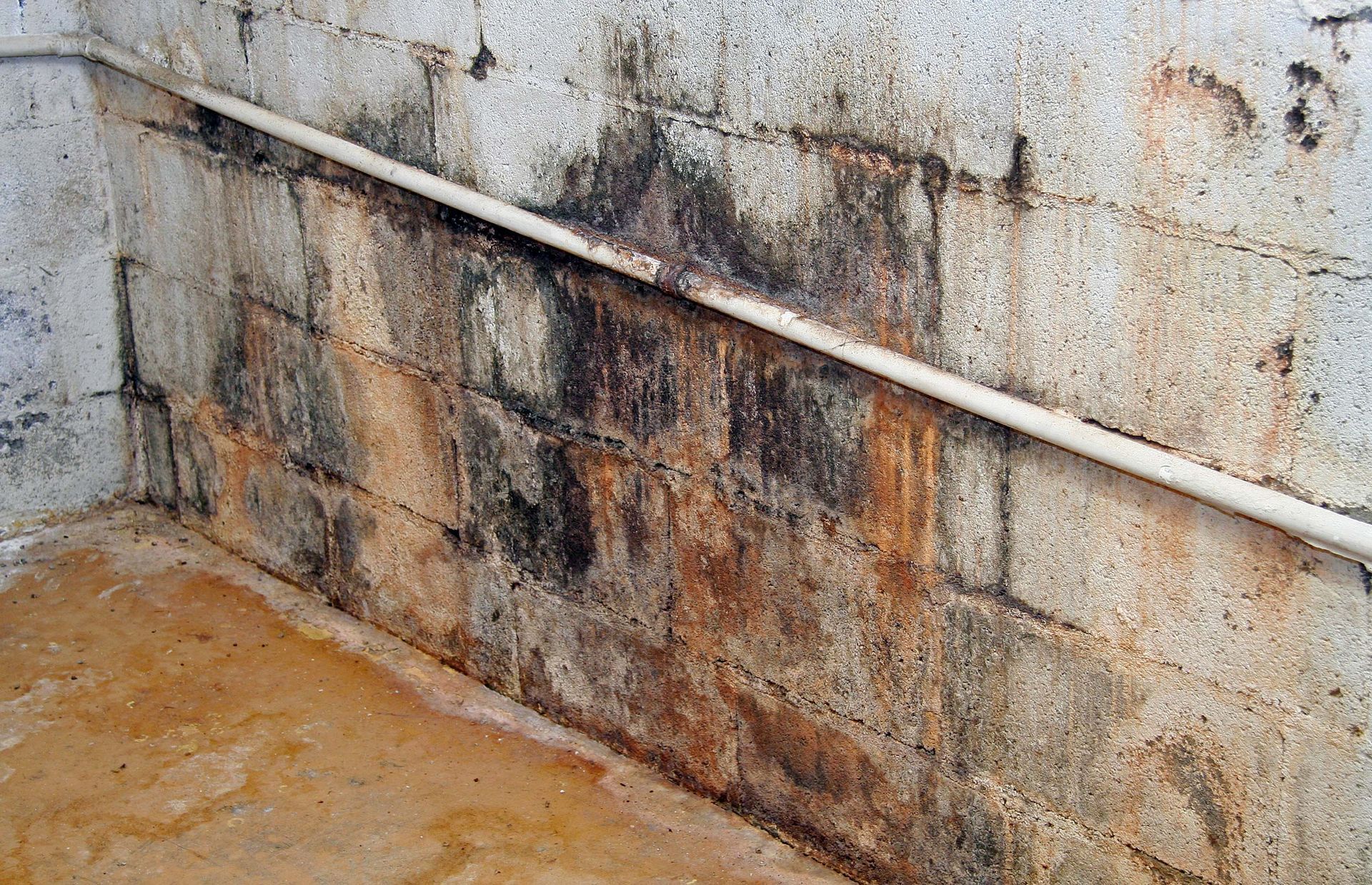
Black mold, scientifically referred to as Stachybotrys chartarum, is a specific species of fungus famous for its distinctive dark appearance and potential production of mycotoxins. Unlike standard varieties that can thrive on modest amounts of ambient moisture, Stachybotrys chartarum requires continuous, heavy moisture or sustained water damage to establish a foothold. It is commonly found in areas affected by long-term roof leaks, plumbing breaches, severe flooding, or chronic condensation behind hidden drywall panels.
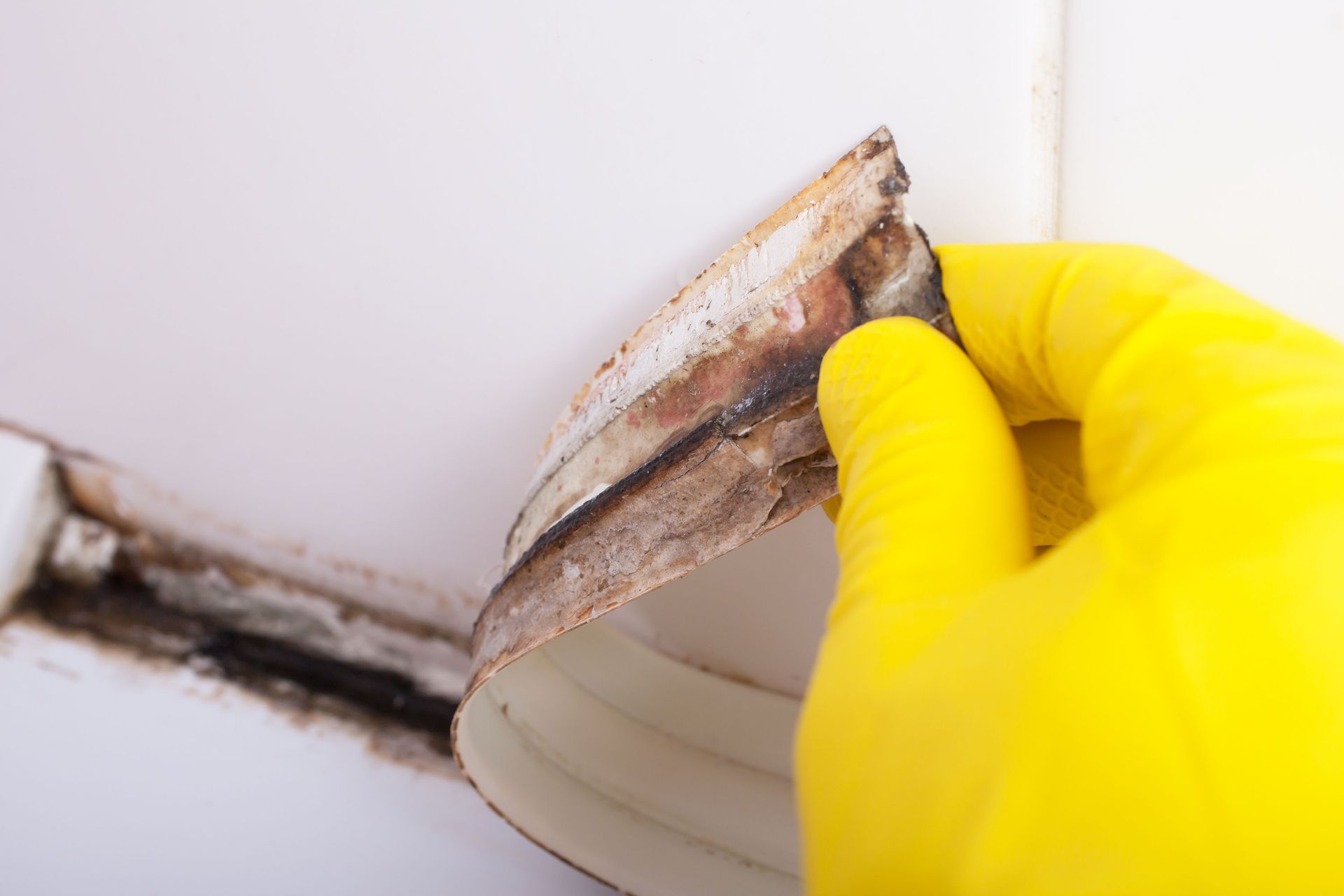
In appearance, this species usually displays a very dark green or deep black color. Texture plays a significant role in identifying it; while common varieties often present a dry, velvety, or powdery exterior, black mold frequently looks slimy, glossy, or wet when actively growing. If its moisture source dries up, it can take on a soot-like, matte black appearance. The odor associated with Stachybotrys chartarum is notably intense, typically described as a heavy, earthy, or rotting smell that remains persistent even after an area has been surface-cleaned. Due to the potential health risks associated with mycotoxin exposure, discovering this specific fungus often necessitates calling qualified mold remediation services to ensure safe and thorough containment.
Comparing Visual Features and Textures
Distinguishing between species by eye alone can be challenging without laboratory testing, yet observing visual traits provides a solid starting point. The primary differentiator often comes down to color variance and surface texture. Common household molds tend to display lighter, more varied shades, frequently presenting as fuzzy green spots, white film on leather or wood, or speckled grey dots along bathroom tiles. They often grow in circular, sprawling patterns and maintain a dry, dusty feel.
In contrast, true black mold forms dense, dark patches that are dark green to pitch-black. Rather than appearing fuzzy, an active colony usually possesses a slick, gelatinous layer caused by the high levels of wetness it requires to survive. If you wipe down a surface and notice a light, superficial layer that lifts easily, you are likely dealing with a standard strain. However, if the dark substance appears deeply embedded into porous materials like paper-faced drywall, insulation, or subflooring, it may indicate a deeper infestation that warrants assessment by professional mold remediation services.
Evaluating Odor Profiles and Environmental Triggers
Odor serves as another crucial clue when evaluating fungal presence. Almost all fungal growth produces a distinctive scent resulting from volatile organic compounds released during the digestion of organic matter. However, the intensity and character of the smell often differ between types. Standard household strains produce a mild, damp basement scent that may come and go based on seasonal weather changes or daily ventilation patterns.
The scent produced by Stachybotrys chartarum is far more aggressive and persistent. It carries a heavy, stagnant, and decaying smell that closely resembles damp earth or rotting vegetation. This scent usually persists because the colony requires sustained, heavy water saturation to survive. If a room carries a heavy, pungent odor but shows no visible signs of surface growth, the fungus may be growing out of sight inside wall cavities or beneath flooring. In such cases, scheduling professional mold remediation services can help locate hidden colonies through air sampling and moisture testing.
Recognizing Health Impacts and Exposure Symptoms
Exposure to any indoor fungal growth can trigger health symptoms, but the severity often varies based on the species involved and the individual's underlying health status. Common household molds typically act as primary allergens. Individuals exposed to species like Penicillium or Cladosporium may experience typical seasonal allergy symptoms, including nasal congestion, eye irritation, skin rash, or mild respiratory distress. These responses are generally mild to moderate and tend to dissipate once the affected area is thoroughly cleaned and ventilated.
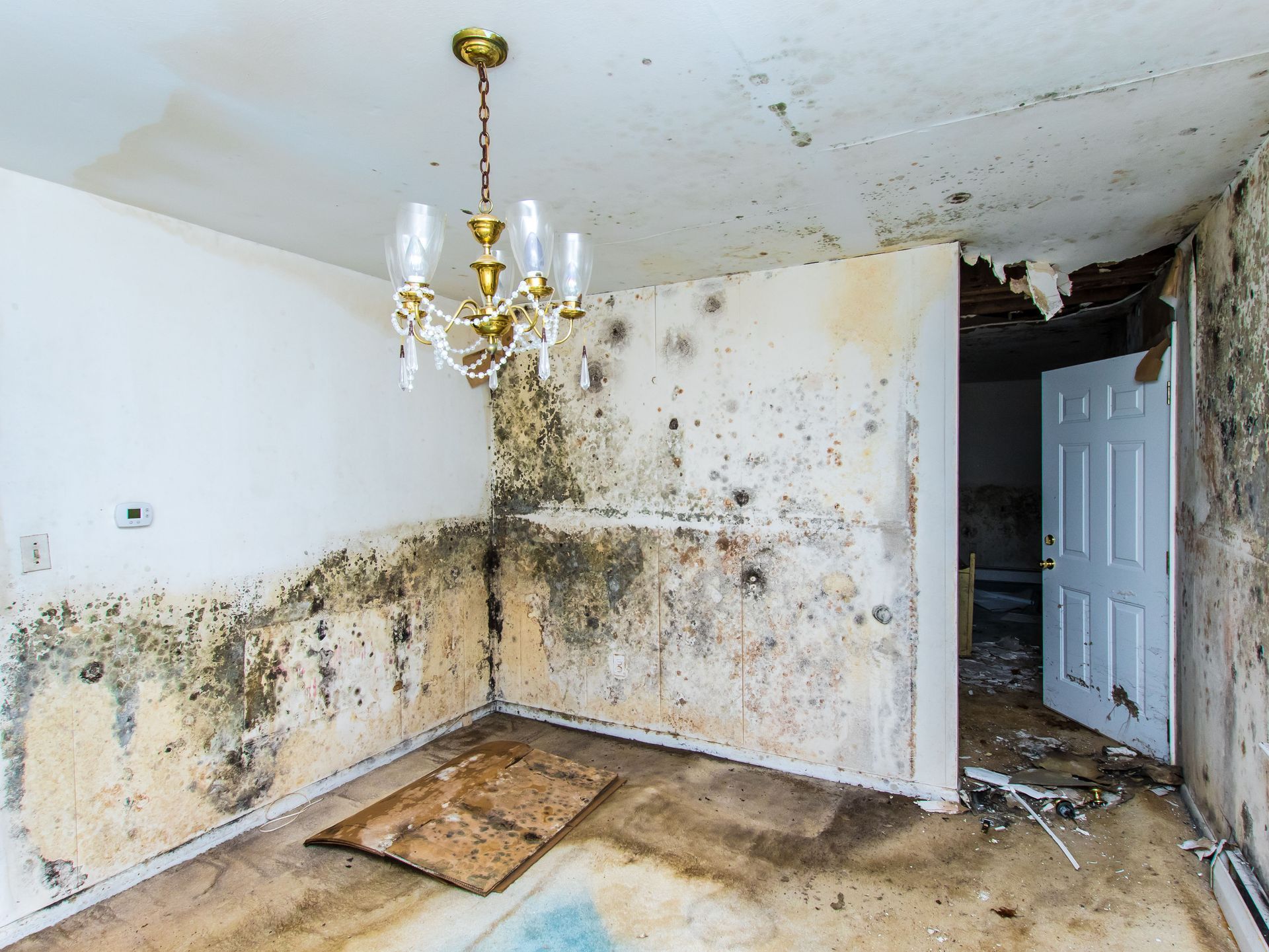
Black mold exposure can present more pronounced health concerns due to the potential presence of mycotoxins. Prolonged inhalation of these toxins can cause intensified respiratory symptoms, chronic fatigue, persistent headaches, sinus inflammation, and heightened complications for individuals with asthma or compromised immune systems. Because determining health risks based purely on symptoms is impossible, treating any extensive indoor growth with caution is paramount. Homeowners facing widespread dark growth or unexplained health symptoms often rely on certified mold remediation services to safely isolate the area and eliminate the environmental hazard.
Implementing Effective Prevention and Moisture Control Strategies
Preventing growth before it begins relies entirely on controlling moisture levels throughout the home. Fungi cannot germinate or spread without access to water, making humidity management your most powerful defense. According to the CDC, indoor relative humidity ought to be kept at 50% or lower to help deter mold from growing. Utilizing air conditioners and dedicated dehumidifiers during warmer, humid months helps maintain indoor air within this safe threshold.
In addition to monitoring overall relative humidity, basic home maintenance plays a crucial role in prevention. Kitchens, bathrooms, and laundry areas should be equipped with functional exhaust fans that vent directly to the exterior of the building. Plumbing leaks under sinks, around toilets, or along basement walls must be repaired immediately to prevent water from saturating wood or drywall. Ensure that gutters and downspouts direct rainwater away from the foundation, and inspect window seals regularly for signs of condensation accumulation. If a significant leak or flood occurs, drying all structural materials within 24 to 48 hours is essential to stop spores from taking root.
Determining When Professional Intervention Is Necessary
Small patches of common household mold on non-porous surfaces, such as a tiny spot of mildew on shower tile, can typically be addressed by homeowners using standard household cleaners and proper personal protective gear. However, larger infestations require a structured, expert response. If fungal growth covers an area larger than ten square feet, if it stems from contaminated water sources, or if it involves deep structural materials, attempting DIY cleanup can accidentally spread millions of microscopic spores throughout the rest of the living space.
Professional mold remediation services utilize specialized containment protocols, negative air pressure machines, HEPA filtration systems, and anti-microbial treatments to eliminate growth safely. Expert technicians possess the tools needed to measure moisture trapped behind walls, identify hidden reservoirs of contamination, and safely remove compromised porous materials without cross-contaminating unaffected areas. Whether dealing with widespread common strains or aggressive black mold infestations, partnering with established
mold remediation services ensures that the underlying moisture issue is resolved and that your living environment is restored to a clean, safe state. Contact the experienced team at Mold Detection & Remediation Specialists, Inc. today to schedule an inspection and protect your property with proven, reliable solutions.