August 19, 2026
A sump pump plays an important role in protecting a home from unwanted moisture. Many homeowners only think about their sump pump when heavy rain causes water to collect in the basement. However, a failing pump can create conditions that affect much more than the floor. When water is not removed properly, moisture can remain in walls, flooring, insulation, and other materials. Over time, this damp environment can encourage mold to develop and spread. Mold problems may begin in places that are difficult to see, making early detection especially important. Understanding the connection between sump pump failure and mold can help homeowners respond before a small moisture issue becomes a larger problem. Taking care of drainage concerns and addressing moisture quickly can also help protect the condition of the home.
How Does a Sump Pump Help Control Basement Moisture?
A sump pump is designed to collect and remove water that enters the lowest parts of a home. When the system works correctly, it helps move groundwater away from the basement before it can cause serious moisture problems. A functioning pump is especially useful during periods of heavy rainfall or when groundwater levels rise. If the pump stops working, water can begin accumulating around the foundation or beneath the basement floor. Even a small amount of standing water can increase humidity and leave surfaces damp. Homeowners seeking local mold remediation may discover that moisture control is an important part of addressing the underlying problem. Checking the pump regularly can help identify warning signs before water reaches vulnerable areas. Keeping the sump pit, discharge line, and pump components clear can also support dependable operation.
What Happens When a Sump Pump Stops Working?
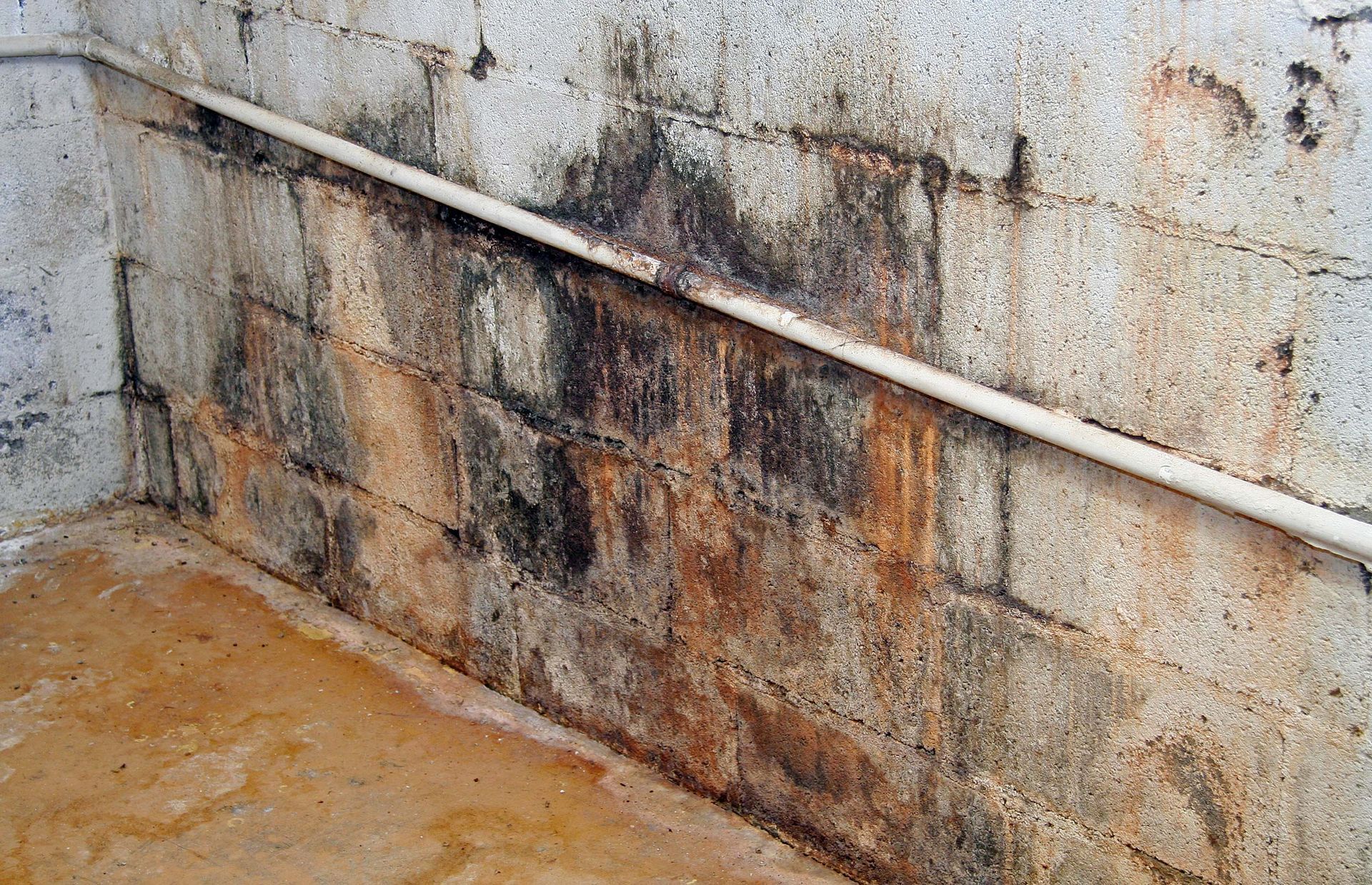
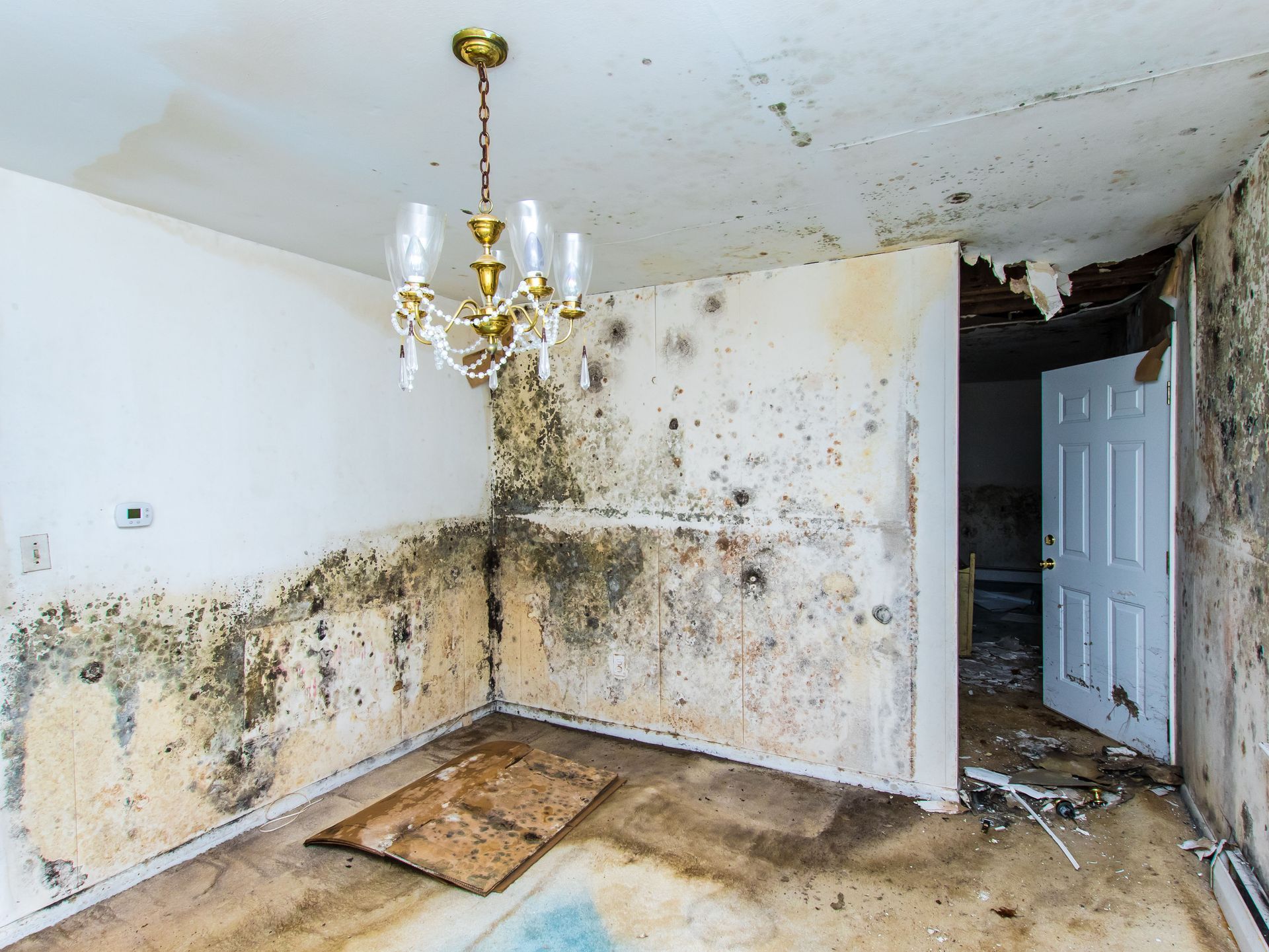
A sump pump can fail for several different reasons, including power outages, clogged components, worn parts, or an overwhelmed system. When the pump cannot remove incoming water, moisture may quickly build up in the basement. Depending on the amount of water entering the home, the situation can range from minor dampness to significant flooding. Wet carpeting, drywall, wood, and insulation can absorb water and remain damp long after the visible water disappears. This hidden moisture can create an environment where mold has an opportunity to grow. Homeowners who notice a musty smell after a pump failure should consider whether moisture has reached areas that are not immediately visible. Professional local mold remediation can help determine whether mold has developed after a significant water event. Addressing the source of the water at the same time is important because cleaning mold without correcting the moisture problem may allow it to return.
How Can Excess Moisture Encourage Mold Growth?
Mold needs moisture, an organic food source, and suitable environmental conditions to grow. Basements can provide many of these conditions because they often contain wood, drywall, paper products, and other materials that can support mold growth. When humidity remains elevated after a sump pump failure, moisture can settle into porous surfaces. Walls may appear dry on the outside while retaining moisture inside or behind them. This makes it possible for mold growth to continue without obvious signs on the surface. Local mold remediation may become necessary when moisture has allowed mold to establish itself in multiple areas. Homeowners should pay attention to discoloration, peeling materials, unusual odors, or recurring dampness. Acting quickly after water enters the basement can reduce the amount of time materials remain wet and limit the opportunity for mold to develop.
Which Basement Problems Can Lead to Moisture Issues?
Sump pump failure is only one possible cause of excessive basement moisture. Poor drainage around the foundation can direct rainwater toward the house instead of away from it. A high water table can also increase the amount of groundwater surrounding the foundation. Blocked or damaged sewer systems may create additional water concerns in certain homes. According to the ASCE, existing homes with basement moisture problems related to poor drainage, high water tables, or blocked sewers can be addressed through three primary approaches: interior sealants, interior perimeter drains with sump pumps, or exterior waterproofing. These solutions focus on controlling how water reaches and remains around the basement. Local mold remediation can address mold that has already developed, but correcting the moisture source is necessary for a more complete solution. Homeowners should have recurring water problems evaluated so the appropriate approach can be selected for the property.
How Can Homeowners Recognize Mold After Water Damage?
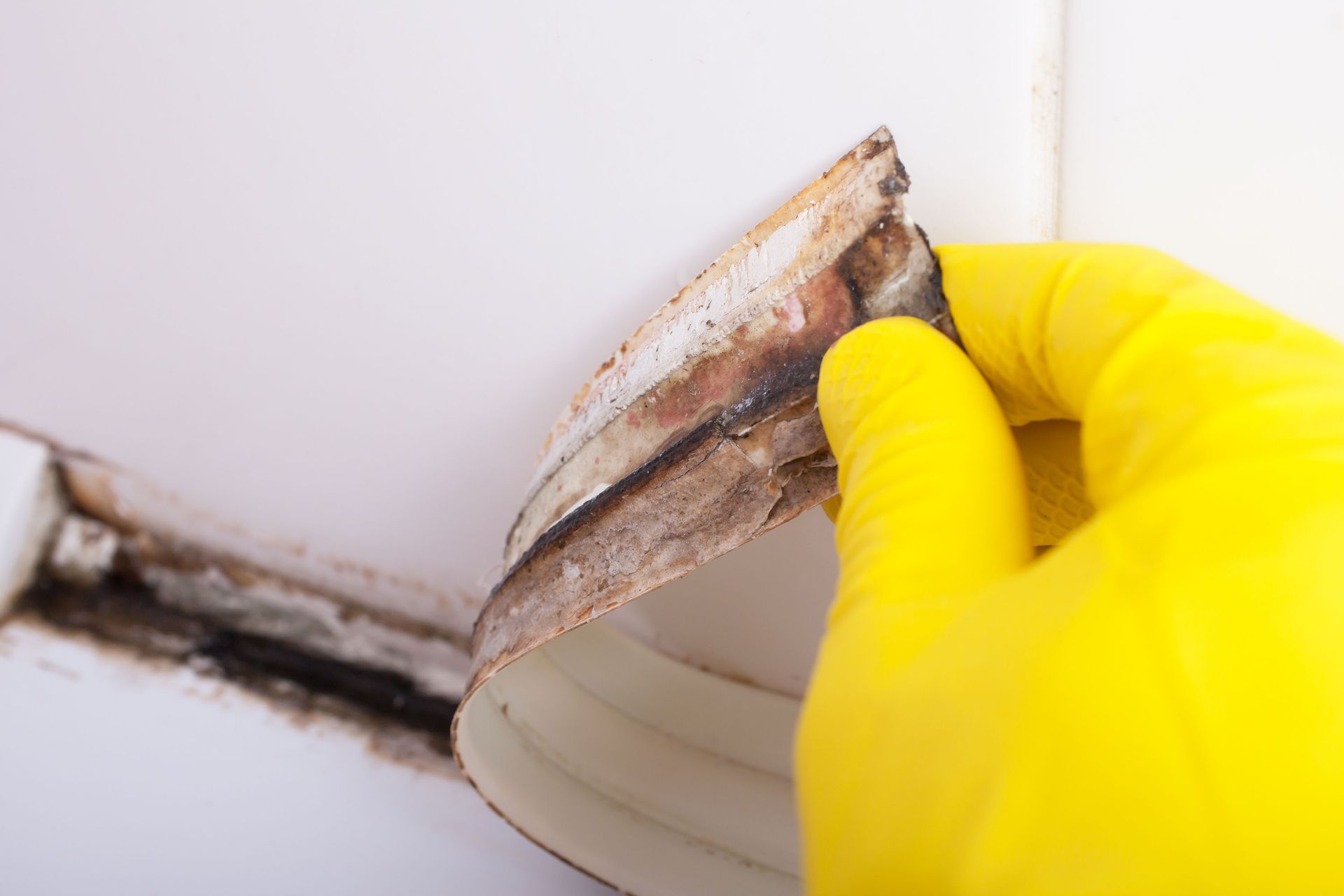
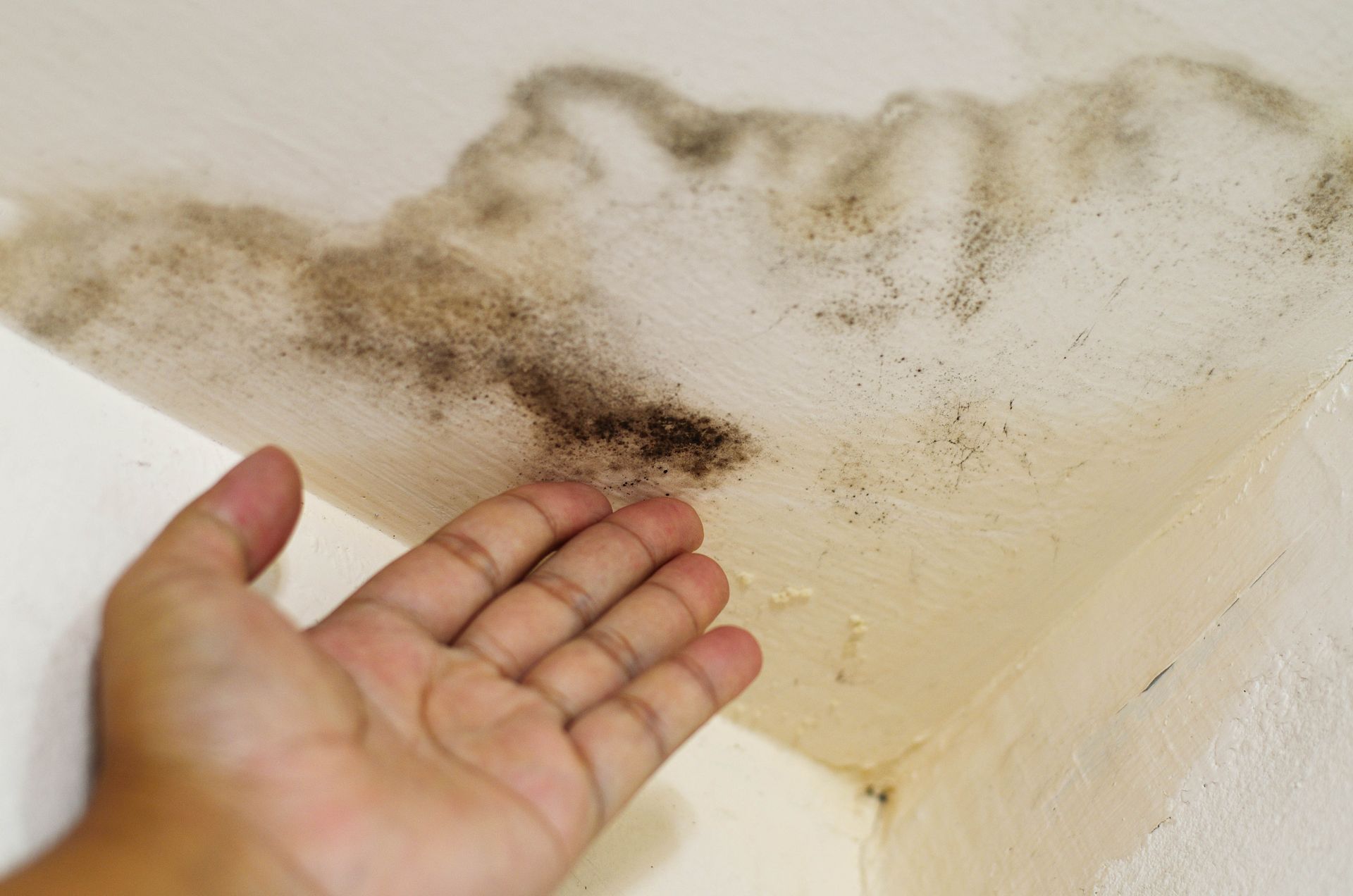
Mold does not always appear as an obvious patch on a basement wall or floor. Sometimes the first noticeable indication is a persistent musty odor that remains after water has been removed. Other signs can include dark spots, fuzzy growth, discoloration, or changes in the appearance of walls and ceilings. Materials such as cardboard, carpet, and fabric can also hold moisture and develop mold if they are not dried properly. In some cases, mold may grow behind walls, under flooring, or inside other concealed spaces. Local mold remediation may be appropriate when visible growth continues to return or when the extent of contamination is unclear. Homeowners should also investigate recurring condensation or dampness instead of simply cleaning the affected surface. Finding the source early can make it easier to prevent additional moisture from affecting other areas of the house.
What Steps Can Help Prevent Sump Pump-Related Mold?
Preventing mold begins with keeping the sump pump ready to handle water when it is needed most. Homeowners can periodically inspect the pump to make sure it starts and stops properly when water enters the pit. The discharge pipe should also be checked to make sure water can flow away from the foundation without obstruction. A backup battery system can provide additional protection if the primary pump loses power during a storm. It can also be helpful to have the system professionally inspected when unusual noises, reduced performance, or frequent cycling occur. Local mold remediation is less likely to become necessary when moisture problems are identified and corrected before mold becomes established. Keeping basement humidity under control can further reduce the conditions that support mold growth. Regular maintenance is a practical way to protect both the sump system and the areas of the home that depend on it.
Why Should Mold Be Addressed Along With the Water Problem?
Cleaning visible mold without correcting the source of moisture can leave homeowners dealing with the same issue again. If a failed sump pump, drainage problem, or foundation leak continues to introduce water, affected materials may remain vulnerable. Moisture can also spread beyond the original location and affect nearby walls, flooring, insulation, or stored belongings. A complete response should therefore consider both the mold and the conditions that allowed it to grow. Local mold remediation can help remove affected materials and address contaminated areas using appropriate procedures. At the same time, homeowners should determine why water entered the basement and what can be done to prevent another occurrence. This approach helps address the problem rather than repeatedly treating the visible symptoms. Coordinating moisture control with mold cleanup can provide a more effective way to protect the basement over the long term.
How Can Professional Mold Remediation Protect Your Home?
Professional evaluation can be useful when a sump pump failure has resulted in extensive moisture or suspected mold growth. Specialists can examine affected areas and look for signs of moisture that may not be obvious during a basic visual inspection. They can also help determine whether mold has spread into materials or spaces that require more careful attention. Local mold remediation can involve containment, removal, cleaning, and other steps based on the conditions found at the property. Addressing affected areas properly can help prevent contamination from spreading to other parts of the home. Professional assistance can also be valuable when mold continues to return despite repeated household cleaning.
Recognizing the warning signs and responding quickly can make a major difference in preventing the problem from spreading. Professional evaluation can help identify affected areas and determine the appropriate next steps for cleanup and moisture control. Mold Detection & Remediation Specialists, Inc can help homeowners address mold concerns with professional attention tailored to the conditions found in their property. If a sump pump has failed or your basement has developed a persistent musty smell, contact us to discuss your concerns and take the next step toward addressing the problem.