July 21, 2026
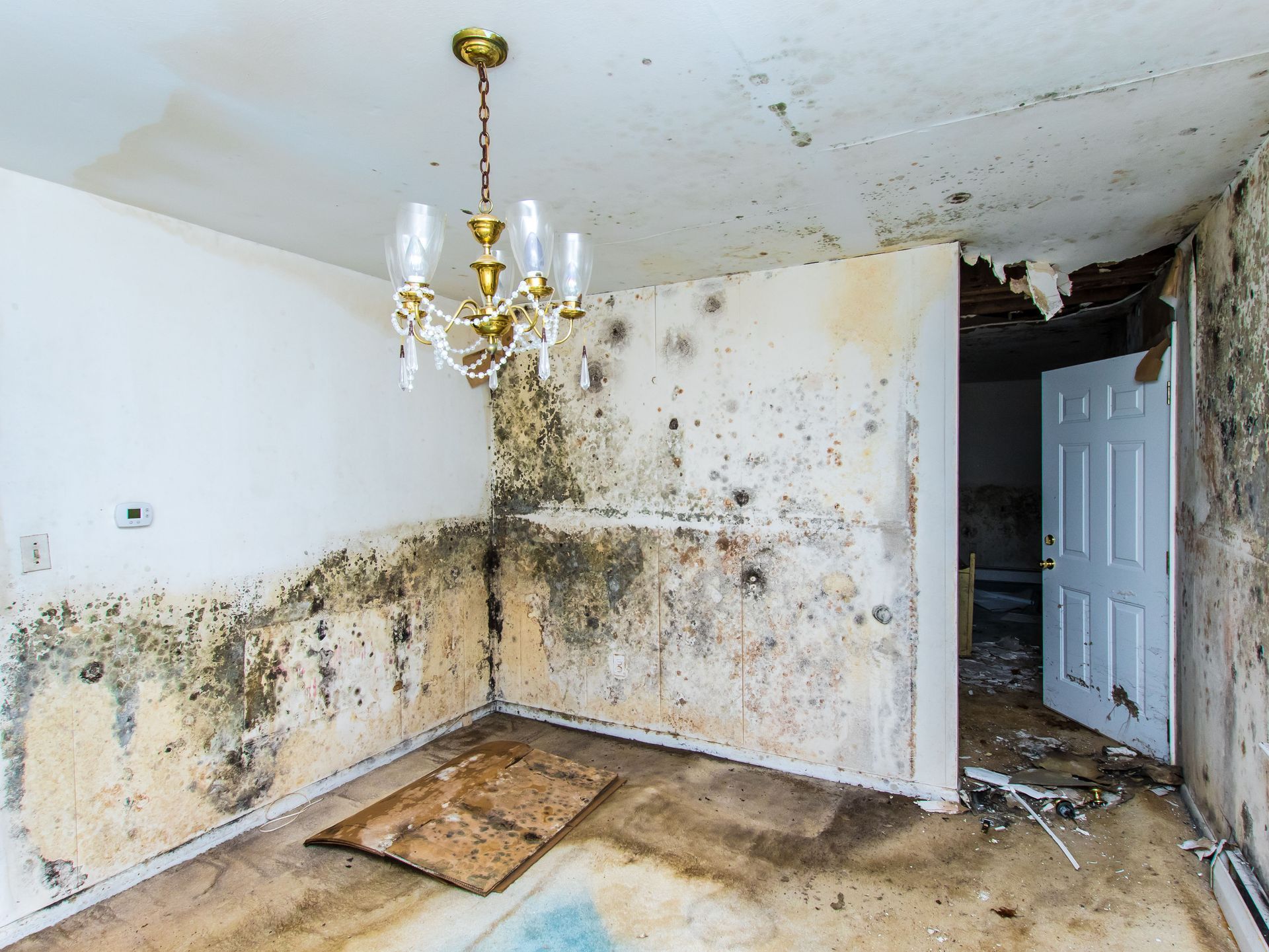
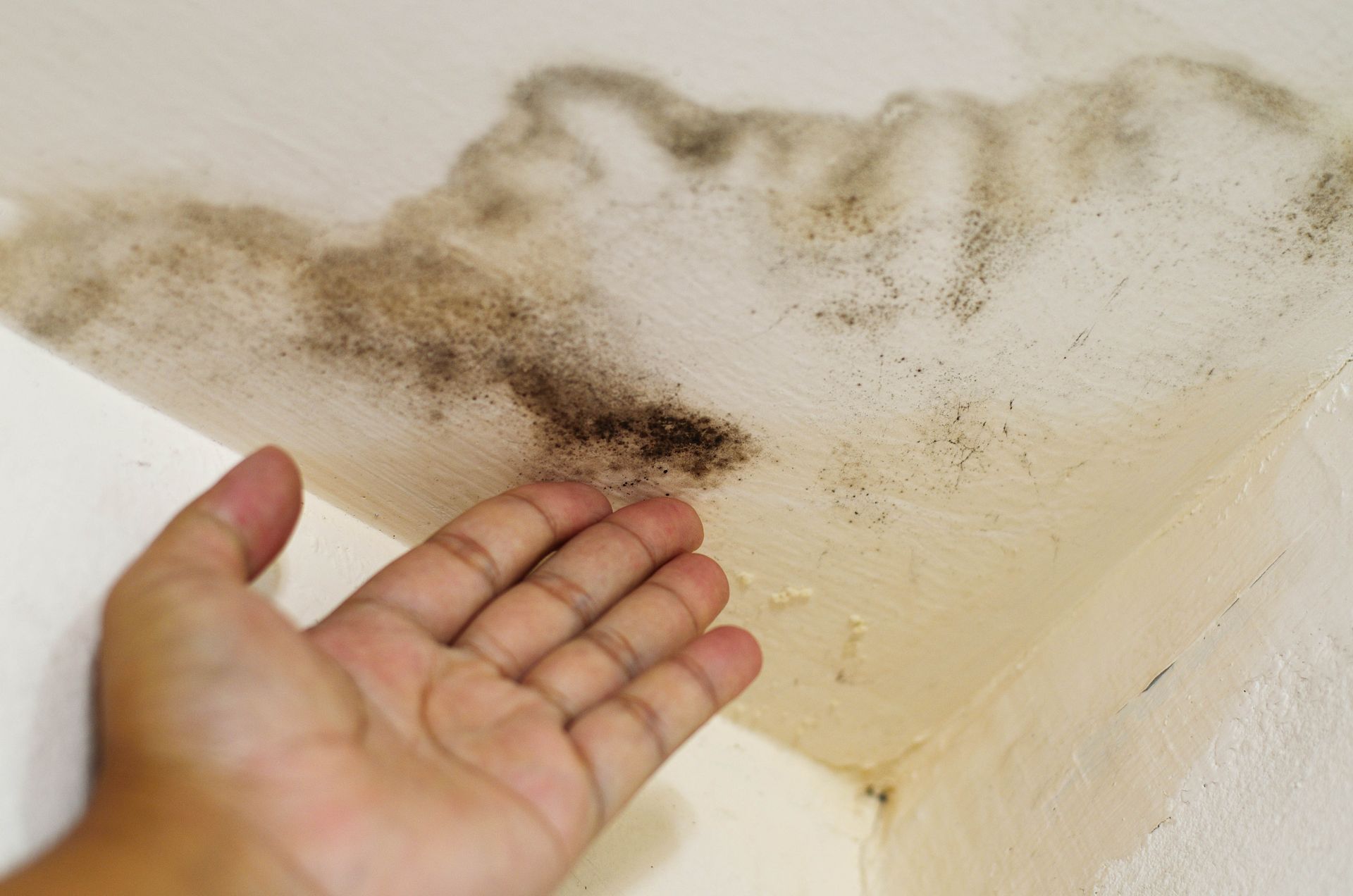
Moisture problems can develop quietly behind walls, beneath flooring, inside cabinets, or around windows before homeowners notice visible damage. A musty odor, discolored surface, or recurring patch of mildew may seem minor at first, but it can signal a larger issue involving trapped moisture and mold growth. When these warning signs appear, acting quickly can help limit the spread and protect the home’s structure.
Local mold remediation gives homeowners access to professionals who understand how moisture behaves in homes throughout the area. They can identify likely problem zones, evaluate the extent of contamination, and create a plan for safe removal. By addressing both the visible mold and the moisture source, remediation can help protect indoor spaces from continued damage and repeated growth.
Identifying Moisture Problems Early
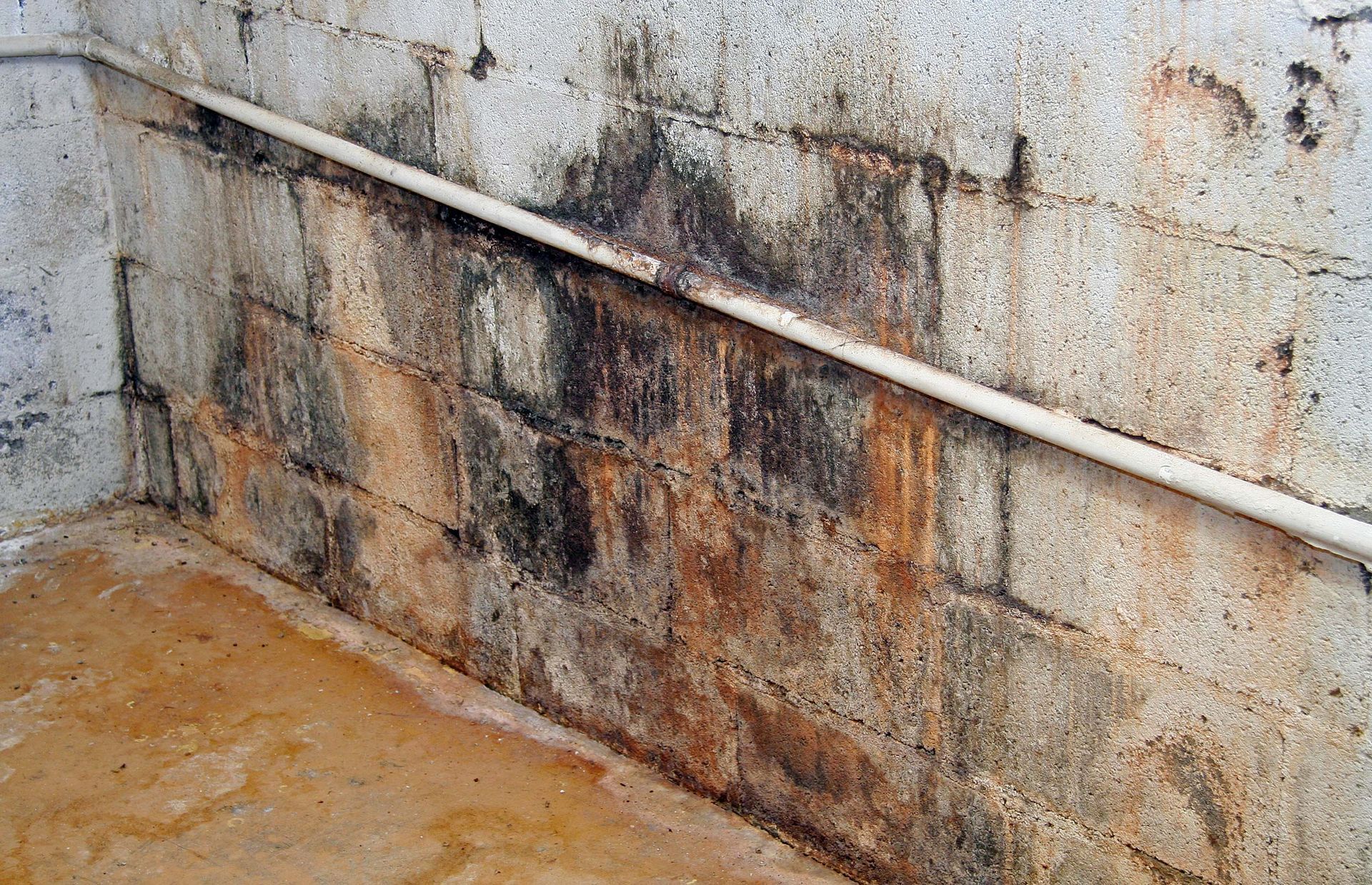
One of the most important parts of local mold remediation is finding moisture before it causes more extensive deterioration. Mold often develops near plumbing leaks, roof damage, damp basements, poorly ventilated bathrooms, or areas affected by flooding. Because water can travel through building materials, the visible stain may not reveal the full location of the problem.
Professionals use moisture meters, thermal imaging, visual inspections, and other methods to locate damp materials. Early identification can prevent homeowners from replacing larger sections of drywall, insulation, flooring, or wood framing later. It also helps determine whether the issue is limited to one room or connected to a broader ventilation, drainage, or plumbing concern.
A detailed assessment gives homeowners a clearer understanding of what needs attention. Instead of cleaning only the surface, they can address hidden moisture that may continue feeding mold growth. Documentation from the inspection can also help homeowners prioritize repairs, explain affected areas to contractors, and plan restoration costs more accurately.
Containing Mold During Removal
Mold spores can spread through the air when contaminated materials are disturbed. For this reason, local mold remediation often includes containment measures that separate the work area from unaffected parts of the home. Plastic sheeting, sealed openings, negative air pressure, and specialized filtration may be used depending on the size and location of the problem.
Containment helps reduce the chance that spores will travel into hallways, bedrooms, or ventilation systems during removal. It also allows technicians to complete the work in a more controlled environment. Without proper containment, an attempt to remove mold from one area could unintentionally create concerns elsewhere. Technicians may also cover belongings, establish safe entry points, and monitor the work zone throughout the project.
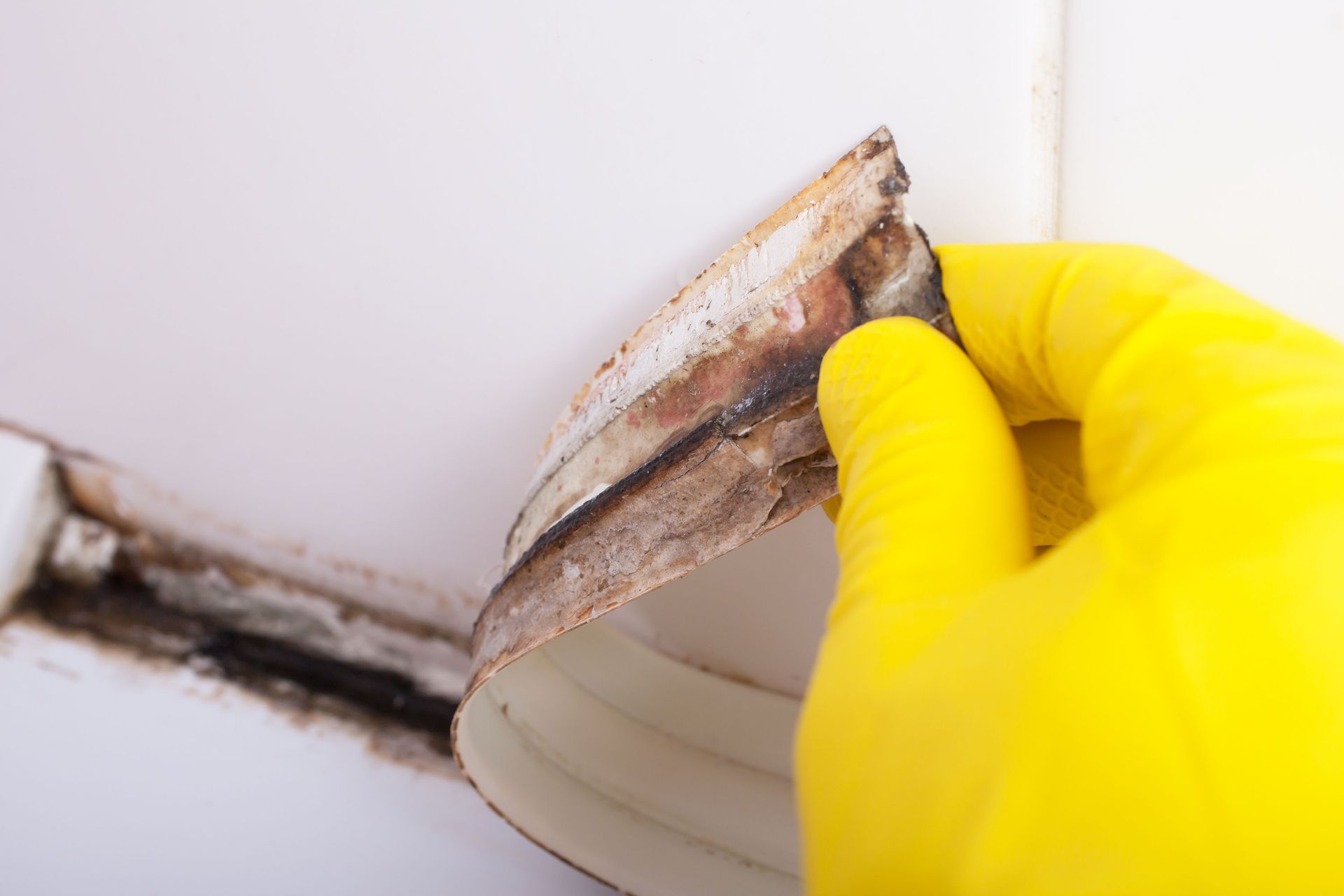
Homeowners may be tempted to scrub visible spots with household cleaners, but surface cleaning does not always reach growth inside porous materials. Professional containment and removal methods provide a more thorough approach when mold has moved beyond a small, isolated area.
Removing Damaged Materials Safely
Some materials can be cleaned and treated, while others may need to be removed because mold has penetrated too deeply. Local mold remediation professionals evaluate drywall, insulation, carpeting, ceiling tiles, wood, and other materials to determine what can be saved. Their goal is to remove contaminated items without causing unnecessary demolition.
Porous materials are especially vulnerable because they absorb water and provide places for mold to grow below the surface. When those materials cannot be cleaned effectively, careful removal may be the safest option. Technicians can bag and dispose of contaminated debris while following procedures designed to reduce airborne spread.
This process helps protect the remaining structure and creates a cleaner foundation for repairs. It can also prevent homeowners from spending money restoring materials that still contain hidden contamination. Once removal is complete, the exposed area must be dried and cleaned before new materials are installed.
Controlling Indoor Humidity Levels
Humidity plays a major role in mold development, especially in rooms with limited airflow. According to Fixr, mold colonies can start to form when indoor humidity rises above 45%. This makes moisture control an essential part of local mold remediation, not merely an optional step after removal.
Professionals may recommend dehumidifiers, improved exhaust fans, better air circulation, or repairs to heating and cooling systems. Basements, crawl spaces, bathrooms, kitchens, and laundry rooms often require closer attention because they regularly produce or collect moisture. Monitoring humidity can help homeowners recognize conditions that encourage mold before visible growth appears.
Reducing humidity also supports the drying process after leaks, storms, or plumbing failures. Materials that remain damp for extended periods are more likely to develop mold and structural damage. Keeping indoor moisture within a manageable range can make the home more comfortable while helping prevent recurring problems. Simple humidity monitors can give homeowners useful daily information and alert them when conditions begin moving in the wrong direction.
Correcting the Source of Water
Mold removal is less effective when the underlying water problem remains unresolved. Local mold remediation should include recommendations for correcting the leak, drainage issue, condensation, or ventilation problem that allowed mold to grow. Otherwise, cleaned areas may become damp again and require additional work.
The source may be obvious, such as a leaking pipe beneath a sink, but it can also be difficult to trace. Roof flashing, foundation cracks, clogged gutters, poorly sealed windows, and uninsulated ductwork can all introduce moisture. Professionals can document where water is entering or collecting so homeowners can arrange the appropriate repair.
Addressing the source protects more than the remediated area. It can reduce the risk of wood rot, peeling paint, damaged flooring, weakened drywall, and unpleasant odors. Coordinating remediation with repairs creates a more complete solution and helps preserve the home’s condition. Prompt repairs also reduce the amount of time surrounding materials remain exposed to moisture.
Supporting Healthier Indoor Spaces
Mold can affect how a home smells, feels, and functions. Local mold remediation helps remove contaminated materials and reduce particles that may circulate through indoor air. Although every household is different, improving moisture control and removing mold can make living spaces feel cleaner and more comfortable.
Air filtration and surface cleaning are often important steps after contaminated materials have been removed. Technicians may use high-efficiency particulate air equipment to capture fine particles and clean surrounding areas. These procedures help prepare the space for restoration and normal use.
Homeowners should also watch for recurring odors, dampness, condensation, or discoloration after the project is complete. Quick attention to new warning signs can help prevent another widespread problem. Ongoing maintenance, including prompt leak repairs and regular ventilation, supports the results of remediation.
Protecting the Home Through Prevention
The final stage of local mold remediation involves helping homeowners reduce the chance of future growth. Preventive steps may include sealing cracks, improving drainage, cleaning gutters, maintaining plumbing, using exhaust fans, and checking areas that have experienced previous water damage. Small improvements can make a significant difference when they keep materials dry.
Homeowners can also schedule periodic inspections in basements, attics, crawl spaces, and utility rooms. These locations are easy to overlook but often show the earliest signs of moisture. Looking for staining, warped materials, rust, condensation, or musty odors can help identify a developing issue.
Professional remediation combines removal, moisture control, and practical prevention. By responding promptly and correcting the conditions behind mold growth, homeowners can protect structural materials, avoid repeated repairs, and maintain more comfortable indoor spaces. Call Mold Detection & Remediation Specialists, Inc today to schedule your mold inspection or remediation service.