December 22, 2025
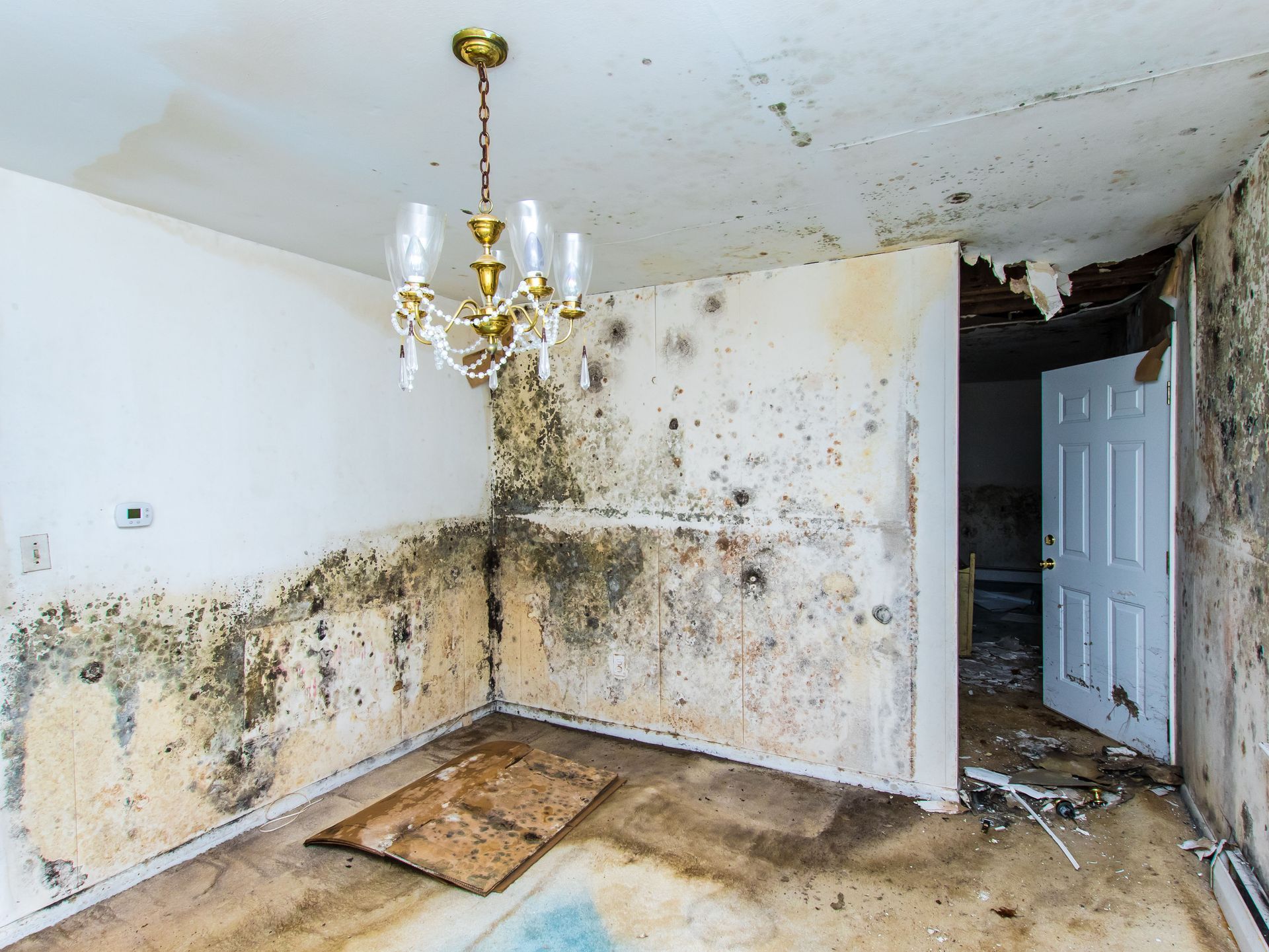
Mold is more than just an unsightly issue; it can also have serious health implications and damage the structural integrity of your home. Mold thrives in damp and humid conditions, often going unnoticed until it becomes a significant problem that must be addressed by mold remediation professionals. By implementing the following strategies, you can take proactive steps in managing household mold and promoting a safer living environment.
1. Manage Indoor Moisture Levels
Use a Dehumidifier
Maintaining optimal indoor moisture levels is crucial for preventing mold growth, and using a dehumidifier is an effective method to achieve this. According to the CDC, maintaining indoor humidity levels below 50% can significantly reduce the likelihood of mold growth. Dehumidifiers effectively extract excess moisture from the air, making them particularly useful in areas with high humidity, such as basements or bathrooms. Selecting the right size dehumidifier for your space is essential, as an undersized unit may be ineffective, whereas an oversized one can be a waste of energy. Regularly empty the water reservoir or use models with continuous drainage options to maintain their efficiency. Additionally, setting a dehumidifier to automatic mode can help maintain consistent humidity levels without manual intervention.
Monitor Humidity with Gauges
Regular monitoring of indoor humidity is essential to prevent mold growth and ensure a comfortable living environment. Hygrometers, or humidity gauges, are inexpensive tools that can provide accurate readings of indoor moisture levels. Aim to keep indoor humidity between 30% and 50%, as levels above this range create an environment conducive to mold development. Monitoring humidity levels regularly allows homeowners to take timely corrective action through ventilation or dehumidifying, preventing the need for mold remediation in the future. Incorporating digital hygrometers with built-in alarms can help alert you when humidity exceeds safe levels.
Ventilate Rooms Properly
Proper ventilation is key to reducing indoor moisture and preventing mold growth in high-humidity areas of homes. Ensuring that bathrooms and kitchens are adequately ventilated can significantly reduce moisture levels from daily activities such as cooking and showering. Using exhaust fans while these activities are taking place, and for some time afterward, helps expel excess moisture from the air. Opening windows whenever possible enhances airflow and accelerates the evaporation of moisture. Effective cross-ventilation can also be achieved by strategically placing fans to promote air circulation throughout the home, significantly reducing the spread of mold and the need for mold remediation services.
2. Implement Proper Ventilation Systems
Install Exhaust Fans
Exhaust fans play a vital role in managing humidity levels and preventing mold growth in moisture-prone areas like kitchens and bathrooms. These fans work by expelling humid air outside, thereby reducing indoor moisture buildup. For maximum effectiveness, exhaust fans should be used during activities that generate moisture and for a brief period afterward. Regular cleaning and maintenance of these fans ensures they operate efficiently and continue to provide adequate ventilation. In addition, selecting appropriately sized fans for each room helps maintain effective moisture control.
Maintain HVAC Systems
Regular maintenance of HVAC systems is essential for controlling household humidity and reducing the risk of mold growth. These systems help regulate indoor temperature and humidity levels, making them an integral component of moisture control strategies. To maintain their effectiveness, clean or replace HVAC filters regularly to ensure proper airflow and prevent mold spores from circulating. Scheduling professional inspections and servicing at least once a year further aids in identifying and addressing potential issues early. Ensuring the HVAC system's efficient operation contributes to a healthier indoor environment by minimizing excess moisture and improving air quality.
Open Windows Regularly
Regularly opening windows helps to enhance indoor ventilation and mitigate moisture buildup. Allowing fresh air to circulate throughout the home expels humid air and reduces the potential for mold growth, especially in naturally humid climates. Strategic window opening during cooler, drier parts of the day can improve indoor air quality without compromising comfort. Creating a cross-breeze by opening windows on opposite sides of a room facilitates better airflow and moisture evacuation. This simple yet effective strategy complements other moisture control efforts in maintaining a balanced and healthy indoor environment.
Regularly opening windows helps to enhance indoor ventilation and mitigate moisture buildup. Allowing fresh air to circulate throughout the home expels humid air and reduces the potential for mold growth, especially in naturally humid climates. Strategic window opening during cooler, drier parts of the day can improve indoor air quality without compromising comfort. Creating a cross-breeze by opening windows on opposite sides of a room facilitates better airflow and moisture evacuation. This simple yet effective strategy complements other moisture control efforts in maintaining a balanced and healthy indoor environment.
3. Enhance Insulation and Drainage
Insulate Walls and Ceilings
Proper insulation is essential in creating a mold-resistant environment by reducing condensation on walls and ceilings. Thermal insulation helps maintain consistent indoor temperatures, preventing temperature fluctuations that create condensation-related moisture issues. Adequate insulation around plumbing and ductwork further reduces the potential for moisture-related problems. Installing mold-resistant insulation materials provides an added layer of protection against moisture intrusion. Regular assessment and enhancement of insulation contribute to a healthier and more comfortable indoor environment.
Ensure Adequate Roof Drainage
Adequate roof drainage is crucial for directing water away from your home and preventing foundation saturation. Regular cleaning and maintenance of gutters and downspouts ensures proper water flow and reduces the risk of water pooling near the foundation, which may necessitate the assistance of a mold remediation service. Seal gutter seams and joints to prevent leaks, and consider adding gutter guards to minimize debris buildup. Assess the downspout positioning to direct water flow away from the home, preventing moisture accumulation near the structure. A well-maintained roof drainage system plays a vital role in protecting your home from mold-related issues.
Waterproof Basements
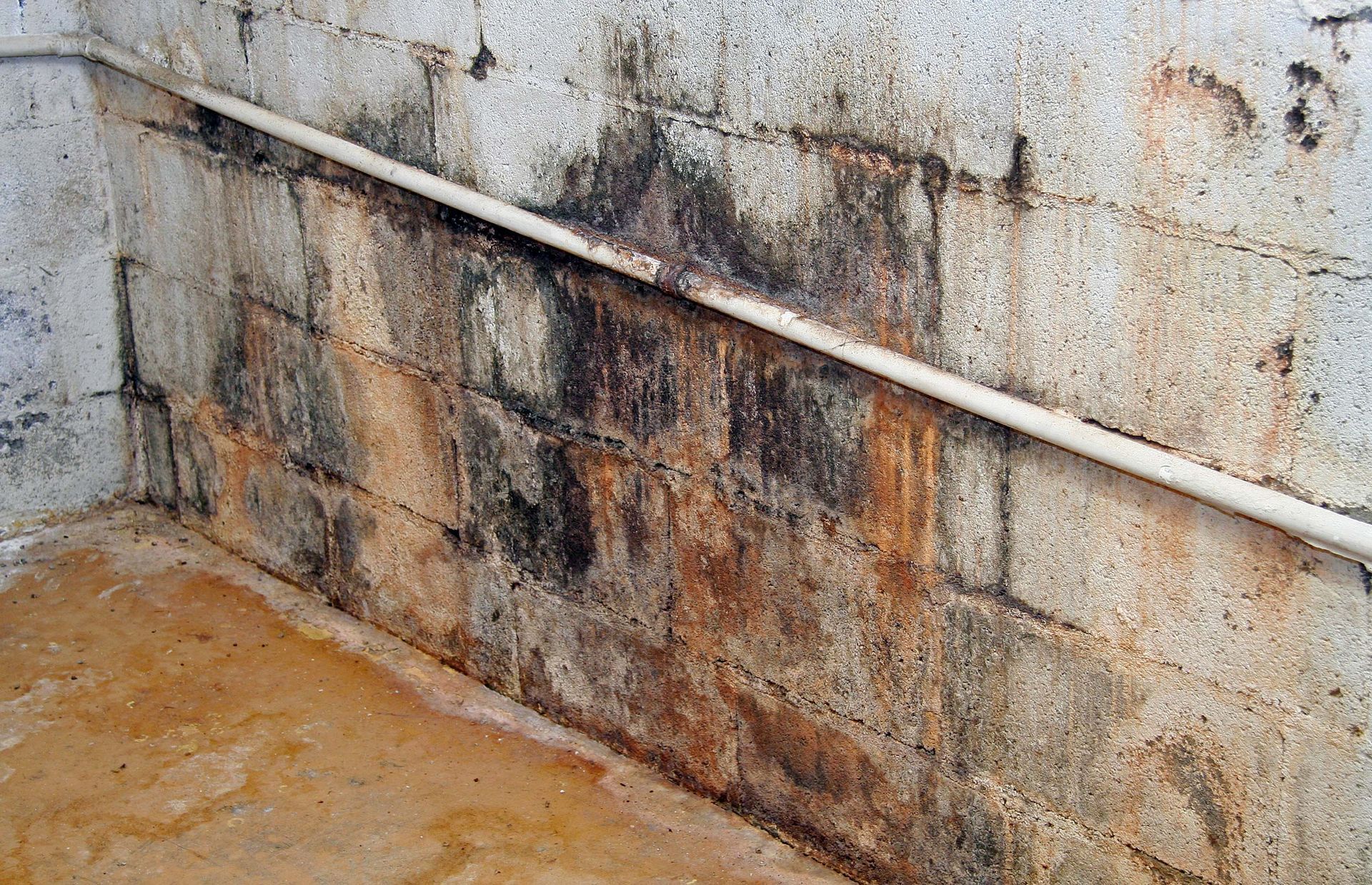
Waterproofing basements is a proactive measure that guards against moisture seepage and mold growth in lower levels of your home. Use high-quality water-resistant sealants on walls and floors to offer protection against subsurface moisture intrusion. Consider installing a sump pump system to manage groundwater accumulation and prevent flooding. In conjunction with proper ventilation, these measures ensure basements remain dry and mold-free. Regular inspection and timely maintenance of basement waterproofing solutions sustain their effectiveness and protect your home's integrity.
4. Regular Cleaning and Maintenance
Clean Mold-Prone Areas Frequently
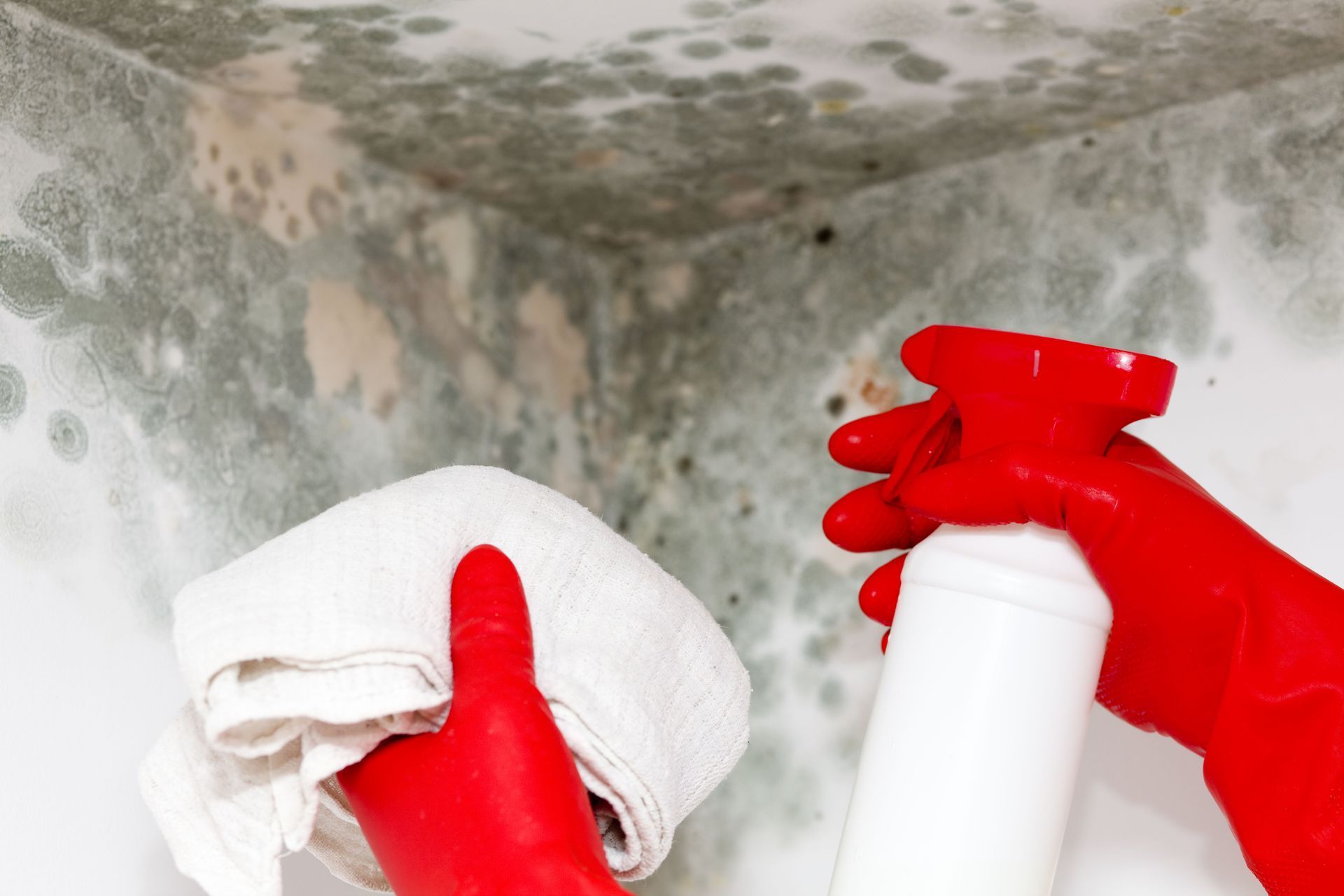
Regular cleaning of mold-prone areas is essential in preventing mold growth and maintaining a healthy living environment. Areas like bathrooms, kitchens, and laundry rooms require diligent cleaning with mold-inhibiting products to remove moisture and mold spores. Using microfiber cloths and mold-resistant cleaning agents enhances cleaning effectiveness by trapping particles and neutralizing mold growth. Establishing a routine cleaning schedule ensures consistent attention to these vulnerable areas. This proactive approach prevents mold accumulation and supports a cleaner, healthier home.
Use Mold-Preventive Products
Employing mold-preventive products in cleaning regimens can discourage mold establishment and growth in your home. These solutions, including specialized cleaners and fungicidal agents, target surfaces where mold is most likely to appear. Applying mold-resistant paints to walls and ceilings in moisture-prone areas adds a protective barrier against fungal spores. Regular use of these products creates less favorable conditions for mold growth, preserving the aesthetic and structural integrity of your living spaces. Integration of mold-preventive products into your cleaning routines enhances your overall mold management strategy.
Regularly Inspect for Mold Growth
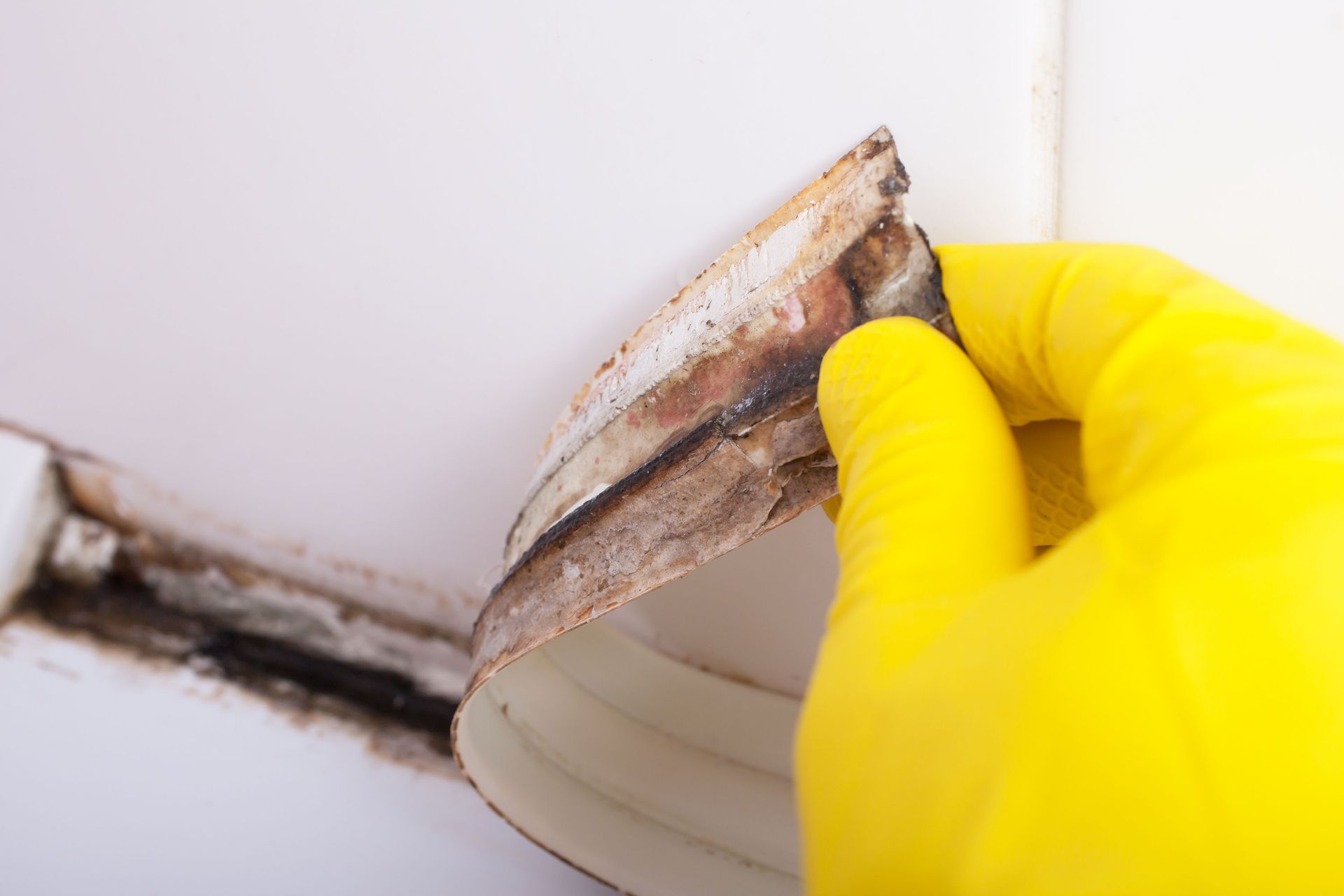
Regular inspections for mold growth are crucial for early detection and management of mold issues before they escalate to the need for mold remediation. Pay particular attention to hidden and less visible areas like basements, behind appliances, and around plumbing fixtures. Identifying and addressing mold signs early prevents further spread and reduces remediation complexities. Foster a culture of vigilance in your household by educating family members to recognize mold indicators. Routine inspections, combined with immediate action, sustain a mold-free and health-conscious environment.
Preventing mold growth requires a diligent combination of proper ventilation, moisture control, and regular maintenance. By adopting these smart strategies, you can protect your home and health from the dangers of mold, ensuring a safe and comfortable living environment. If you notice the presence of mold in your home, be sure to reach out to the mold remediation experts at Mold Detection & Remediation Specialists, LLC.